
• ### The Eco-Friendly Advantage

    In the battle against climate change, reducing reliance on harmful materials is crucial. Plastics, notorious for polluting oceans and harming wildlife, are a significant contributor to the problem. By replacing plastics with this revolutionary substance, we could significantly reduce environmental pollution.

    Moreover, the production process for this supermaterial is designed to be eco-friendly. It requires less energy compared to steel or plastic manufacturing, further reducing its carbon footprint. This makes it a sustainable choice for companies looking to reduce their environmental impact.

    ### Potential Applications

    So, how might this supermaterial be used? The possibilities are exciting and diverse:

    – **Automotive Industry**: Lighter vehicles would mean increased fuel efficiency and reduced emissions.
    – **Electronics**: Strong, lightweight components could lead to more durable and energy-efficient gadgets.
    – **Construction**: With its strength and lightweight nature, buildings could become more resource-efficient and sustainable.

    ### The Road Ahead

    While this supermaterial is still in its early stages of development, its potential is undeniable. Researchers are optimistic about scaling up production and refining the material’s properties to suit various applications.

    If they succeed, we might be ushering in a new era where environmental sustainability goes hand in hand with technological innovation. For now, we can look forward to a future where such a material could help solve two of the world’s biggest challenges: reducing waste and lowering carbon emissions.

    In conclusion, this supermaterial isn’t just another scientific curiosity. It’s a potential game-changer for the planet and the way we design and interact with the world around us. Keep an eye on this space; the future just got a lot more exciting!

  • Have you ever had a lightbulb moment, a stroke of genius for a product idea? Sometimes it feels like you’re sitting on a gold mine, right? But before pouring endless time and money into it, how do you know if it’s really worth pursuing?

    Let me share a journey that transformed my approach to launching new products. It’s all about validation, or as I like to call it, the “try before you buy” mindset. And trust me, it saved me from a wild goose chase with a kitchen gadget idea I once had.

    ### Setting the Foundation: A Simple Landing Page

    It all started with a basic landing page. I created a mockup of the product, wrote some enticing copy to describe its benefits, and set up a “Pre-order Now” button. The plan was simple: if visitors were interested enough to click and leave their email, it could indicate potential market demand.

    ### Testing the Waters with Facebook Ads

    With $100 set aside for Facebook ads, I crossed my fingers and watched as 200 clicks rolled in. However, only 3 visitors signed up with their email. Ouch. The pit of my stomach told me my brilliant idea might not be as genius as I thought.

    ### Learning, Adapting, and Listening

    Despite the initial setback, I didn’t throw in the towel. Instead, I revisited my messaging, tested different images, and shifted my target audience. Yet, the results held steady – curiosity without commitment. So, what was missing?

    I saw an opportunity in the few who signed up. Surveying them revealed they wanted something slightly different. Armed with this feedback, I pivoted my concept.

    ### The Power of Pivoting

    Creating a second iteration of my landing page with these insights led to a significant increase in engagement. This time, the same ad spend resulted in 47 email signups. It was a Eureka moment, one that gave me the green light to move forward.

    ### Expanding Horizons with Research

    I didn’t stop there. Browsing similar products on platforms like Alibaba opened my eyes to existing features and design gaps in the market. This comparison was invaluable, revealing unique angles for my product that weren’t being served elsewhere.

    ### The Takeaway

    The journey taught me that listening to potential customers and being willing to make changes based on their input can turn a possible flop into a viable success. Plus, it all unfolded without draining my pockets.

    So if you have a budding idea, take it for a test drive first. Validate it wisely. A small investment of your time and money today might save you from much bigger pitfalls down the road.

    What about you? Have you tried validating a product idea, and what strategies worked best for you? Share your experiences in the comments below!

  • *Your easy guide to understanding inflation without the jargon.*

    Hey there! Let’s dive into something that’s been making headlines lately: inflation. Whether you’ve caught snippets on the news or noticed prices creeping up at your local grocery store, inflation affects all of us. But worry not, we’ll break it down together, in plain English.

    ### What is Inflation?

    In simple terms, inflation is the rate at which the general level of prices for goods and services rises, eroding purchasing power. So, when inflation is high, your money doesn’t stretch as far as it used to. Imagine being able to buy a basket of groceries last year for $50, but now that same basket costs you $55. That’s inflation at work.

    ### How Does Inflation Happen?

    Inflation can happen for several reasons, and understanding these can give us some insight into this complex phenomenon. Here are the main causes:

    1. **Demand-Pull Inflation**: This occurs when demand for goods and services exceeds their supply. Think of it as too many dollars chasing too few goods. When products are in high demand, prices naturally go up.

    2. **Cost-Push Inflation**: This happens when the costs to produce products escalate. For instance, if the price of oil spikes, it costs more to transport goods, which can lead to higher prices on the store shelves.

    3. **Built-In Inflation**: This is the cycle where workers demand higher wages to keep up with rising costs of living, and in turn, businesses pass those cost increases onto their customers through higher prices.

    ### How Does It Impact You?

    Inflation impacts various aspects of life, and here’s how it might affect you:

    – **Cost of Living**: As prices go up, you might find your salary doesn’t go as far as it once did, leading you to adjust your spending habits.

    – **Savings**: Inflation can erode the purchasing power of your savings. This means money stashed away today will buy less in the future if interest earnings don’t keep up with inflation rates.

    – **Debt**: Interestingly, if you have a fixed-rate mortgage or another loan, inflation could work somewhat in your favor by decreasing the real amount you owe over time.

    ### What Can You Do About It?

    While we can’t control inflation, we can certainly make smart decisions to mitigate its impact:

    – **Invest Wisely**: Consider investing in assets like stocks, real estate, or inflation-protected bonds that historically outpace inflation.

    – **Budget Carefully**: Keep a close watch on your spending. Find areas where you can cut back and save.

    – **Increase Your Income**: Whether it’s negotiating a raise or taking up a side gig, boosting your income can help counteract the effects of rising prices.

    ### In Conclusion

    Inflation is a part of our economic landscape, and while it can be unsettling, understanding its mechanics can help you navigate its challenges more effectively. So next time you hear a discussion about inflation, you’ll know exactly what they’re talking about—and how you can stay one step ahead!

    Stay informed, and remember, making small adjustments today can keep your financial future on track.

    Did you find this explanation helpful? Let me know in the comments below!

  • – **Programmable**: Bitcoin can be programmed for complex scripts, automating transactions upon meeting certain conditions.

    ## Buying Bitcoin: Getting Your First Coins

    Interested in buying some Bitcoin? Numerous platforms like Strike, Cash App, and Swan make purchasing Bitcoin straightforward and easy. Even if you don’t have much to invest, remember that Bitcoin is divisible down to eight decimal places, allowing you to buy just a fraction.

    ## Secure Your Bitcoin: Be Your Own Bank or Use a Trusted Service

    Managing Bitcoin securely is crucial. You can either use hardware wallets like Trezor or software options like BlueWallet to retain full control. Alternatively, seek third-party services like Unchained Capital for a more hands-off approach. Always remember—security is key. Implement Two-Factor Authentication wherever you can, and beware of scams.

    ## Busting Myths and Fears

    You might have heard Bitcoin is a Ponzi scheme or doomed if quantum computers emerge. Rest assured, these are myths. Explore resources rebutting these fears and understand why Bitcoin is designed for long-term viability.

    ## Where to Spend Bitcoin

    Bitcoin isn’t just for holding; it’s for spending, too! Websites like Spendabit and Fold App allow you to use your Bitcoin for shopping, travel, and more. Some businesses offer discounts when paying with Bitcoin due to its lower transaction fees.

    ## Mining Bitcoin: The Hobby of Crypto Enthusiasts

    While profitable mining requires significant investment in hardware and electricity, many enjoy it as a hobby. If you’re curious, explore forums and resources that delve into the intricacies of mining operations.

    ## Final Thoughts

    Bitcoin offers a new horizon in the digital age. Its advantages and potential have drawn in a community of enthusiastic users and developers. As you embark on this Bitcoin journey, remember: verify every resource and stay updated with the latest trends and developments. Welcome to the future of finance!

    Have questions or want to share your experiences? Feel free to drop a comment below—let’s learn and grow together in this exciting decentralized economy!

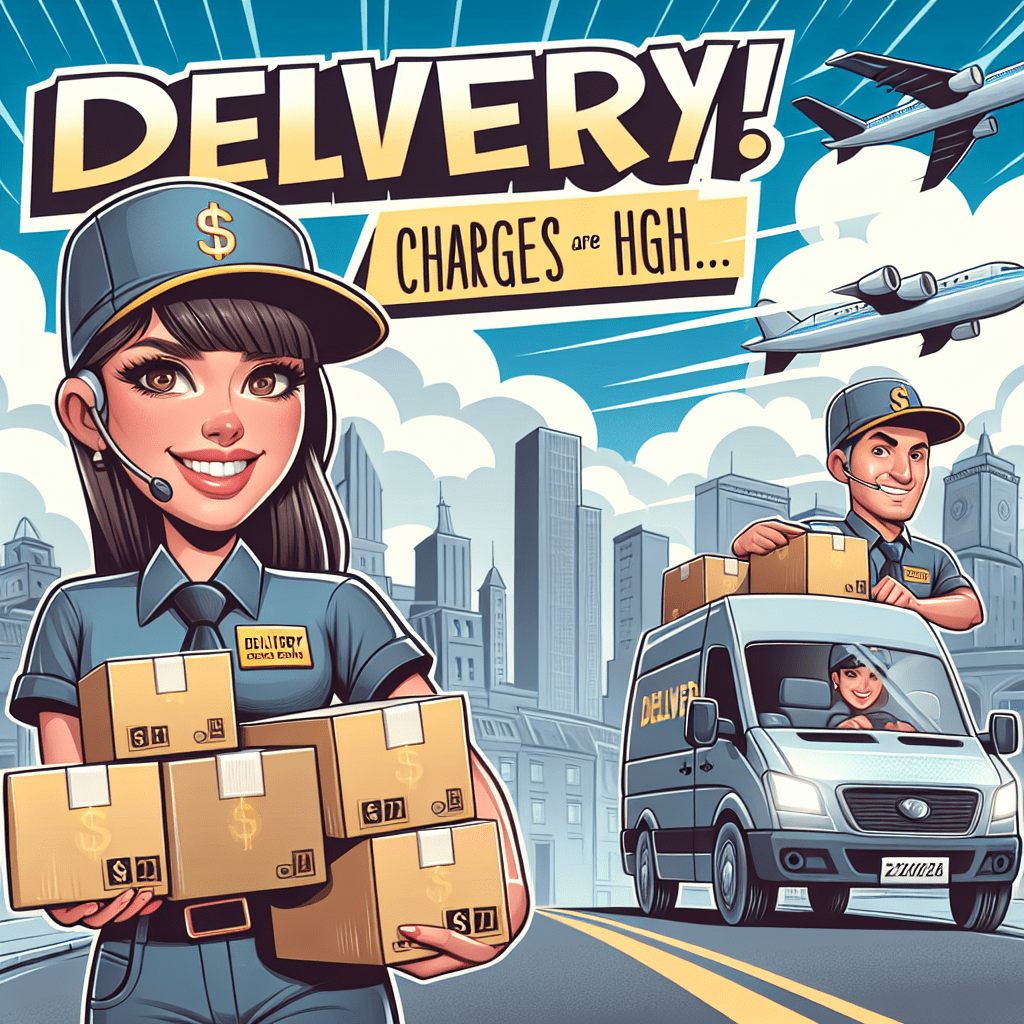
  • *Navigating the Cost Maze for a Profitable Dropshipping Business*

    If you’re just starting dropshipping, you know it’s all about cost management. Let’s face it; delivery charges can be a real deal-breaker. Imagine finding a great supplier on Alibaba but getting stuck with a $10 delivery fee for a 1 kg package. When your products only sell for $5 to $30, those logistics costs can shoot your prices through the roof. So, what’s the smart move here? Let’s dive into some practical strategies to tackle this common hurdle in the dropshipping world.

    **1. Break Down Your Costs**

    Before anything else, get a clear picture of all your costs—product price, shipping fees, and any additional costs like taxes or duties. This transparency helps in making informed decisions about pricing strategies and mitigating unnecessary expenses. Use a detailed spreadsheet or a tool that simplifies the process for you. This proactive step can help you spot where you can save or optimize.

    **2. Optimize Your Supplier Choice**

    Not all suppliers are created equal. Explore multiple options and compare their delivery charges, quality, and reliability. Platforms like Alibaba offer various shipping methods with different costs. Sometimes, switching from express shipping to a standard method can cut down your expenses significantly, albeit with longer shipping times. It’s a trade-off, but if your customers are willing to wait a bit longer for lower prices, it’s worth considering.

    **3. Negotiate Shipping Rates**

    Don’t shy away from negotiating with your suppliers, especially if you’re planning to order regularly. Many suppliers are open to discussions and may offer discounts for bulk orders or long-term partnerships. Building a rapport with your supplier can sometimes lead to unexpected yet favorable terms.

    **4. Include Shipping in Your Prices Strategically**

    Another approach is to incorporate the shipping cost into the product price itself, offering “free shipping” thereby. Customers often find this more appealing psychologically, even if it results in a slightly higher product cost. Ensure this adjustment doesn’t price your product out of competition, but it can definitely make your offering more attractive.

    **5. Bulk Shipping Isn’t Just For Big Players**

    If possible, consider ordering in bulk to reduce individual shipping costs. It’s a trick widely used by larger businesses, but small players can benefit too if their market demand justifies it. With bulk shipping, the cost per unit decreases, making it easier to manage the delivery charges.

    **6. Focus on High-Margin Products**

    If your current product range doesn’t allow room for much tweaking, consider offering other products that come with higher margins. These are more forgiving when delivery charges eat into profits. Higher-margin products often absorb these additional costs better while maintaining profitability.

    **7. Explore Local Suppliers**

    Sometimes, thinking locally can save the day. Domestic suppliers might offer competitive pricing with lower shipping costs and faster delivery. This pivot might require some research and re-negotiation on inventory, but the savings could be substantial.

    Navigating the dropshipping landscape involves many trials and a bit of creativity. Finding that perfect balance between product, pricing, and shipping is key to thriving in the long run. Keep testing different strategies and remain flexible to changes. Adaptability could ultimately turn high shipping costs from a daunting obstacle into just another manageable part of your successful business formula.

  • Adverse selection is a major concern when adopting aggressive market-making strategies. If your forecast is inaccurate, the risk of executing trades at unfavorable prices increases. In essence, you could be walking into trades that are priced disadvantageously, which might lead to potential losses.

    Moreover, by being the sole entity tightening the spread, you might inadvertently offer free optionality to others. Other market participants, armed with superior information, could easily trade against you, exploiting this informational edge. Worse still, your accurate predictions might not even lead to trades if market conditions shift unfavorably.

    ### Strategies to Manage Aggressive Market Making

    1. **Robust Model Validation**: Ensure that your forecasting models are rigorously tested. Regularly assess their performance and adjust parameters as necessary to maintain accuracy.

    2. **Dynamic Spread Adjustments**: Rather than sticking to fixed ticks, consider dynamic spread adjustments based on real-time market conditions. Flexibility can offer a buffer against sudden market changes.

    3. **Risk Management Practices**: Deploy stop-loss orders or other hedging strategies to mitigate potential losses from adverse selections.

    4. **Continuous Learning**: Stay informed on market trends and participant behavior. Engaging in forums and discussions can provide fresh perspectives and strategies to refine your approach.

    ### Conclusion

    Aggressive market making is a double-edged sword—when executed correctly, it can offer significant rewards, but it also bears substantial risks. The key lies in maintaining a delicate balance between capitalizing on the informational edge and safeguarding against unfavorable trades. Traders who succeed in this will find themselves at an advantageous position in the dynamic landscape of market making, continuously learning and adapting to thrive.

    In this ever-evolving field, remember to foster a mindset of caution, making informed decisions that align with your risk tolerance and market goals.

  • Can AI Be Part of the Solution? Addressing Stigmatizing Language in Large Language Models

    Subheading: Why We Need to Rethink AI’s Influence on Conversations about Substance Use

    In recent years, the rise of AI-powered tools like large language models (LLMs) has transformed how we communicate and access information. From chatbots to virtual assistants, these technologies have made interactions more seamless and convenient. But with great power comes great responsibility—especially when dealing with sensitive topics like alcohol and substance use disorders. A recent study has shed light on a concerning issue: LLMs may be unknowingly contributing to the stigma surrounding these disorders.

    ### The Problem with Language

    Language is a powerful tool that shapes our perceptions and attitudes. When it comes to alcohol and substance use disorders, the words we choose can either promote understanding and compassion or contribute to negative stereotypes and stigma. Unfortunately, the latter seems to be happening with some AI language models. According to the study, LLMs use stigmatizing language when generating content related to these disorders. But what exactly does this mean?

    Stigmatizing language refers to words or phrases that convey negative attitudes or beliefs about a particular group. For individuals with alcohol and substance use disorders, this can include referring to them as “addicts” or “abusers,” terms that reduce their complex experiences to damaging stereotypes. Such language not only affects how society views these individuals but also impacts the individuals’ own self-esteem and willingness to seek help.

    ### Unpacking the Study

    The study aimed to understand how LLMs handle topics related to alcohol and substance use. The researchers found that these models, which learn from vast amounts of data available online, often replicate existing biases. Since much of the content on the internet includes stigmatizing language, the models inadvertently reproduce it in their outputs. This revelation paints a sobering picture of how the biases present in our data can perpetuate harmful narratives through AI technologies.

    ### Moving Toward Solutions

    Addressing this issue is essential if we want AI to be a force for good. Here are a few steps that could make a difference:

    1. **Improving Training Data**: By curating datasets that prioritize neutral and respectful language, we can train LLMs to generate content that is more sensitive and accurate. This means actively seeking out and amplifying voices that promote destigmatizing language, such as those of healthcare professionals and advocacy groups.

    2. **Continuous Monitoring**: Regularly assessing AI outputs for biases is crucial. By identifying areas where prejudices persist, developers can make the necessary adjustments to model parameters, ensuring more equitable outputs.

    3. **Human Oversight**: Introducing a layer of human review, especially for AI applications in sensitive areas, can help catch potentially harmful language before it reaches the public. This can be particularly effective when combined with AI tools trained to recognize stigma.

    4. **Education and Awareness**: Raising awareness about the impact of language and promoting education around non-stigmatizing terms can foster a more inclusive dialogue. Encouraging those who work with AI to understand these nuances is vital in creating technologies that support rather than harm.

    ### Conclusion

    As we continue to integrate AI into our daily lives, it’s important to consider its implications on societal issues. Large language models offer incredible potential, but with that comes the responsibility to ensure they advocate for fairness and respect. By addressing issues of stigmatizing language, we can move towards a future where AI not only reflects the best of human communication but also enhances our capacity for empathy and understanding. Let’s work toward using AI not just to solve technical problems but to uplift human values.

  • Before jumping to conclusions, let’s break down what DCA actually means. Essentially, it’s an investment strategy where you consistently invest a fixed amount of money into Bitcoin at regular intervals, regardless of the price. This could mean investing a set amount every month, for example.

    The beauty of DCA lies in its simplicity and ability to mitigate risk. You’re investing over time and not trying to time the market perfectly, which is notoriously difficult. By spreading your investment out, you lower the chance of making a big purchase right before a dip. Plus, it’s a hassle-free method that suits busy professionals who might not have time to constantly monitor Bitcoin’s volatile market.

    **The Case for Buying on the Dip**

    On the flip side, waiting for a dip involves holding onto your cash until the Bitcoin price drops to what you believe is a favorable buying point. The lure here is maximizing purchase power, acquiring more Bitcoin for less money during these downturns.

    This strategy requires patience and a bit of market savvy. Successfully timing the market can potentially yield greater returns than consistent, smaller investments. However, it demands a keen eye on market trends and the psychological fortitude to act quickly when an opportunity arises. Remember, Bitcoin is famously volatile, and predicting its movements is not an exact science.

    **Which Strategy Works for You?**

    So, should you DCA or buy the dip? The truth is, it depends on your situation and investment style.

    1. **Risk Tolerance:** If you have a lower risk tolerance or prefer a more predictable investment approach, DCA might be your best bet. It also prevents analysis paralysis, where you spend too much time deliberating and miss potential buying opportunities.

    2. **Market Insight and Time Commitment:** Buying on the dip requires deeper market insight and more time commitment for research. If you enjoy diving into market data and trends, and don’t mind waiting, this strategy might align with your goals.

    3. **Financial Situation:** Evaluate your financial health and determine how much you can comfortably invest without affecting your day-to-day life. If steady investments fit your budget better, DCA may provide a more balanced financial journey.

    **Combining Both Strategies**

    There’s a third option, mixing both strategies. You can allocate a portion of your budget to DCA regularly and keep some liquidity to buy sizable amounts during pronounced dips. This way, you benefit from consistent investment while still capitalizing on market downturns.

    In the end, whether you choose DCA, wait for a dip, or combine both strategies, the key is consistency and aligning your approach with your personal financial goals and lifestyle. Bitcoin investment, like all investments, carries risks. Be sure to do thorough research and, if necessary, consult with a financial advisor. Happy investing!

  • **Lessons from the Road

    Having previously driven from Sydney to Perth, we thought we knew what “long drive” meant. But this journey redefined it. From the wilderness between Katherine and Perth to the stunning coastal views of Cairns, each part of the trip offered something unique.

    If you’re inspired to try this adventure yourself, here are a few must-haves:
    – A spare tire and basic tools.
    – Plenty of food and water supplies.
    – Offline maps for those no-reception zones.

    Australia’s breathtaking landscapes aren’t just beautiful; they can be unforgiving. It’s a harsh land but incredibly rewarding for those prepared.

    **Exmouth: A Touch of Paradise**

    Out of all the places we visited, Exmouth, Western Australia, stood out. With beaches like “Turquoise Bay,” where you can walk straight into a vibrant reef filled with turtles and coral, it’s a slice of paradise that’s not to be missed.

    **Conclusion: Would I Do It Again?**

    Absolutely. With everything I learned, I’d embark on this journey again in a heartbeat. Each stretch taught us something new about Australia’s wild spirit and about ourselves. So if you’re yearning for a blend of adventure, challenge, and stunning views, this road trip from Perth to Cairns is the ultimate bucket-list experience. Just be sure you’re ready for whatever the Outback throws your way!

  • Before jumping to conclusions, let’s break down what DCA actually means. Essentially, it’s an investment strategy where you consistently invest a fixed amount of money into Bitcoin at regular intervals, regardless of the price. This could mean investing a set amount every month, for example.

    The beauty of DCA lies in its simplicity and ability to mitigate risk. You’re investing over time and not trying to time the market perfectly, which is notoriously difficult. By spreading your investment out, you lower the chance of making a big purchase right before a dip. Plus, it’s a hassle-free method that suits busy professionals who might not have time to constantly monitor Bitcoin’s volatile market.

    **The Case for Buying on the Dip**

    On the flip side, waiting for a dip involves holding onto your cash until the Bitcoin price drops to what you believe is a favorable buying point. The lure here is maximizing purchase power, acquiring more Bitcoin for less money during these downturns.

    This strategy requires patience and a bit of market savvy. Successfully timing the market can potentially yield greater returns than consistent, smaller investments. However, it demands a keen eye on market trends and the psychological fortitude to act quickly when an opportunity arises. Remember, Bitcoin is famously volatile, and predicting its movements is not an exact science.

    **Which Strategy Works for You?**

    So, should you DCA or buy the dip? The truth is, it depends on your situation and investment style.

    1. **Risk Tolerance:** If you have a lower risk tolerance or prefer a more predictable investment approach, DCA might be your best bet. It also prevents analysis paralysis, where you spend too much time deliberating and miss potential buying opportunities.

    2. **Market Insight and Time Commitment:** Buying on the dip requires deeper market insight and more time commitment for research. If you enjoy diving into market data and trends, and don’t mind waiting, this strategy might align with your goals.

    3. **Financial Situation:** Evaluate your financial health and determine how much you can comfortably invest without affecting your day-to-day life. If steady investments fit your budget better, DCA may provide a more balanced financial journey.

    **Combining Both Strategies**

    There’s a third option, mixing both strategies. You can allocate a portion of your budget to DCA regularly and keep some liquidity to buy sizable amounts during pronounced dips. This way, you benefit from consistent investment while still capitalizing on market downturns.

    In the end, whether you choose DCA, wait for a dip, or combine both strategies, the key is consistency and aligning your approach with your personal financial goals and lifestyle. Bitcoin investment, like all investments, carries risks. Be sure to do thorough research and, if necessary, consult with a financial advisor. Happy investing!