• Running an e-commerce brand that sells trendy T-shirts to college guys in the US is exciting. But let’s face it, crafting the perfect ad campaign for platforms like Meta and TikTok takes more than just a good product. It requires engaging content that resonates with your audience. Enter User-Generated Content (UGC)-style videos—the secret sauce to creating ads that truly convert.

    ## Understanding the Power of UGC-Style Videos

    UGC-style videos mimic the authentic, raw vibe that actual users create. This format isn’t just another passing trend; it’s a powerhouse for engagement. Why? Because they come off as genuine and relatable, making your target audience—young, trendy college guys—more likely to engage.

    ## Platforms to Source High-Quality UGC-Style Videos

    While Fiverr is a well-known starting point, there are other platforms and creators that specialize in producing authentic UGC-style videos for your ads. Here’s where to look:

    ### 1. **Billo**

    Billo is a platform specifically designed for e-commerce brands in need of genuine UGC videos. You can request videos from creators who try out, review, or simply engage with your products, offering the realness your ads need.

    ### 2. **Instagram Creators**

    Leverage Instagram—it’s a goldmine of influencers who are experts at crafting TikTok/IG-style content. Many creators offer affordable packages to produce high-conversion UGC-style videos.

    ### 3. **YouTube Creators**

    Don’t discount YouTube. Many creators offer services to produce engaging short-form content perfect for TikTok and Meta’s vibe. Reach out to creators who resonate with your brand aesthetic.

    ### 4. **Influencity**

    Influencity isn’t just about finding influencers. Their platform also connects you to creators specializing in UGC content across multiple media channels. The advantage? Access to a pool of creators that align perfectly with your brand’s style and voice.

    ## The Role of AI in UGC Video Creation

    Curious about AI in UGC creation? We’re almost at that stage. AI tools are getting better at generating video script prompts or even creating synthetic content. However, the authentic vibe of real-user generated content still has an edge AI hasn’t fully mastered. It’s worthwhile to keep an eye on developments in this space, but as of now, nothing beats genuine human creativity and connection.

    ## Tips for Creating High-Converting UGC-Style Ads

    1. **Identify Clear Hooks**: The beginning of the video must catch attention—fast. Incorporate hooks that speak directly to your audience’s needs.

    2. **Authenticity is Key**: Encourage creators to be themselves. Real reactions and unscripted moments tend to resonate best with viewers.

    3. **Call to Action (CTA)**: An effective CTA is crucial. Guide your audience clearly on the next steps, whether it’s visiting your site or buying a T-shirt.

    4. **Leverage Trends**: Align your content with current TikTok or social media trends to enhance relatability and shareability.

    By sourcing your UGC-style videos from these dynamic platforms and creators, your Meta and TikTok ad campaigns are more likely to connect with and convert your target audience. Remember, authentic engagement is the name of the game. Good luck, and may your T-shirts fly off the virtual shelves!
  • Subheading: Free Resources to Boost Your Dropshipping Business

    If you’re diving into the world of dropshipping, one of your biggest challenges is finding trending products. Proper product discovery is crucial to the success of your online store. So, let’s explore a strategy that offers not just a handful but daily updates of 15 trending products without spending a cent on promotions!

    **Why Trending Products Matter**

    In the ever-changing e-commerce landscape, staying on top of trends can give your store the competitive edge it needs. Popular products often convert well because they already have consumer demand. By regularly updating your inventory with trending items, you can keep your store fresh and attractive to new customers.

    **A New Resource for Daily Trending Products**

    Imagine having a resource that provides you with a list of 15 trending products daily. And yes, without any promotional costs! This idea sparked interest when I came across a passionate post on Reddit’s dropshipping community. A user announced they were launching a site that would update daily with new product data. This initiative is a potential game-changer for those who want to invigorate their dropshipping store with minimal effort but maximum impact.

    **Get Started with Free Daily Updates**

    Here’s how you can leverage this exciting new resource:

    1. **Visit the Site Daily**: Dedicate a few minutes each morning to visit the site and check out the latest trending products.

    2. **Refresh Your Listings**: Use the products you find to update your own store listings promptly. The key is to stay relevant and catch the wave of consumer interest while it’s high.

    3. **Test and Scale**: Don’t just add the products blindly. Monitor their performance in your store, and once you find a hit, consider adding similar items or expanding in that niche.

    **Think About Your Audience**

    Remember, the goal is to appeal to your target audience. Even with trending products at your fingertips, it’s crucial to ensure they resonate with your customer base. Tailor your marketing and positioning to match the interests and needs of your visitors for optimal results.

    **Why Free Resources Matter**

    Having access to free tools and resources in the dropshipping world is like striking gold. It keeps your overhead costs down, allows for experimentation without risk, and can provide insights into what customers are currently searching for.

    **Looking Ahead**

    The site is expected to launch with initial updates promising new product additions every day. If the user response is strong, there’s potential to expand to 20, 25, or even 30 products daily. Such a resource can help you keep your store stocked with the latest trends with little time investment.

    In conclusion, if you’re looking to remain competitive as a dropshipper, adapting and sourcing trending products is key. This newfound resource could be just what you need to kickstart or reinvigorate your dropshipping business. Keep an eye out, and happy selling!

  • First, let’s break down what backtesting is. Simply put, backtesting allows you to test a trading strategy using historical data. It’s like a crystal ball that helps you see how your strategies might have performed in the past, which can inform future decisions.

    ### Step 1: Gather Historical Options Data

    Getting access to reliable and accurate historical data is crucial. Here are some tips for sourcing the data you need:

    – **Free Sources**: Websites like Yahoo Finance and Google Finance offer some free historical options data.
    – **Data Vendors**: For more comprehensive coverage, consider premium data providers such as Options Data Warehouse or Quandl.
    – **APIs**: Use a financial API like Alpha Vantage or Intrinio, which can be accessed via Python.

    Ensure your data is clean and organized, as messy data leads to unreliable backtests.

    ### Step 2: Learn the Basics of Python for Financial Analysis

    You mentioned having limited coding experience. Luckily, Python is a beginner-friendly language with extensive community support. To start:

    – **Codecademy or Coursera**: These platforms offer free courses on Python.
    – **Pandas and NumPy**: These are essential Python libraries for data manipulation and analysis. Take some time to learn how to use them.

    You don’t need to become a coding expert, just learn enough to manipulate data and perform basic analysis.

    ### Step 3: Understand Options Strategies

    Before backtesting, ensure you understand the options strategies you’ll be working with. Familiarize yourself with common strategies like:

    – **Covered Calls**
    – **Iron Condors**
    – **Straddles and Strangles**

    Each strategy has a different risk profile, so knowing what each entails will help you decide which to test.

    ### Step 4: Build the Backtesting Framework

    Now, let’s build your backtester. Here’s a simple outline using Python:

    1. **Define Your Strategy**: Clearly specify the entry and exit rules.
    2. **Simulate Trades**: Use historical data to simulate trades according to your strategy.
    3. **Calculate Performance Metrics**: Evaluate profitability, win/loss ratios, drawdowns, etc.
    4. **Optimize and Iterate**: Adjust parameters and re-run tests to optimize your strategy.

    You might want to look into using existing Python libraries like Backtrader, which can greatly simplify this process.

    ### Step 5: Analyze and Improve

    After running your backtest, you’ll want to evaluate the results:

    – **Performance Review**: Check not just profitability, but also risk metrics like Sharpe Ratio.
    – **Scenario Testing**: Test your strategy under different market conditions to see how it holds up.
    – **Continuous Learning**: Stay updated on financial news and evolving trading strategies.

    ### Final Thoughts

    Building an options backtester is a continuous learning journey. You’ll hit bumps along the road, but with persistence, you’ll eventually turn data into insightful market predictions. Remember, every bit of progress helps you understand the big picture a little better. Happy backtesting!

  • The wisdom of the crowd is a concept gaining traction. It suggests that the averaged opinion of a large group can often predict outcomes more accurately than any individual expert. For investors, tapping into this vast pool of opinions can offer a broader perspective, especially during volatile market conditions. Reddit, for example, has become a popular hub for investment discussions. By scanning these forums, you get a sense of the investor mood and prevailing sentiments towards particular stocks or industries.

    **Incorporating Social Sentiment in Due Diligence**

    Before you dash to change your investment strategy based on trending hashtags, remember that social sentiment should not be your sole predictor. It’s best used as a supplementary tool in your due diligence process. Here’s how you can integrate it:

    1. **Confirm Market Signals**: If your traditional market analysis indicates a promising investment, check social sentiment to see if it’s gaining traction or facing skepticism. A positive sentiment can act as a confirmation, while negative vibes could urge further scrutiny.

    2. **Identify Early Trends**: Often, social platforms pick up on trends before they become mainstream news. By monitoring discussions, you might identify emerging trends, giving you a jump on new opportunities.

    3. **Gauge Public Reaction**: When companies announce significant news, such as mergers or product launches, the market’s immediate reaction can be fleeting. Social sentiment provides a deeper understanding of how the news is being received by the broader public over time.

    **Tools and Approaches**

    There are various tools available to help analyze social sentiment. Advanced algorithms can process vast amounts of data to highlight trends and shifts in sentiment, saving you time and possibly offering more objective analysis than manually trawling through posts.

    – **Sentiment Analysis Platforms**: Tools like Brand24 or Mention can track and analyze sentiment related to specific stocks or industries.

    – **Reddit and Other Forums**: Participating in investment-related subreddits can offer firsthand insight, allowing you to engage with real-time discussions.

    **A Balanced Approach**

    Ultimately, it’s about balance. While social sentiment can enrich your investment analysis, it should complement, not replace, your traditional due diligence practices. Financial data, market trends, and solid business fundamentals remain core pillars of smart investing.

    **Final Thoughts**

    Social sentiment is a powerful tool for investors willing to look beyond traditional analyses. By intelligently integrating these online insights into your due diligence, you’ll have a more comprehensive approach to making informed investment decisions. Just always remember the basics: diversify, manage risk, and never rely solely on a single source of information.

    Investing is as much about art as it is about science. Combining established methods with modern innovations like social sentiment could provide the edge you need in today’s fast-paced financial landscape.

  • Often dismissed as just a platform for launching the latest meme coin, Solana has been steadily building a reputation for more substantive uses. Its capability to support complex transactions and applications suggests it is a well-suited playground for financial innovation. Its robust ecosystem is increasingly attracting developers and traders who see vast potential beyond the current crypto fads.

    ### Join the Conversation

    So, what’s your take? Can Solana dethrone Ethereum as the premier platform for high-frequency trading? The evolutionary pace of blockchain technology means things change quickly, and Solana is already making substantial waves. As more traders and financial systems take note of its potential, Solana might just be the key player in the digital trading revolution.

    Feel free to share your thoughts and insights. The future of finance is unfolding right in front of us, and platforms like Solana have a front-row seat. Let’s explore this exciting journey together.

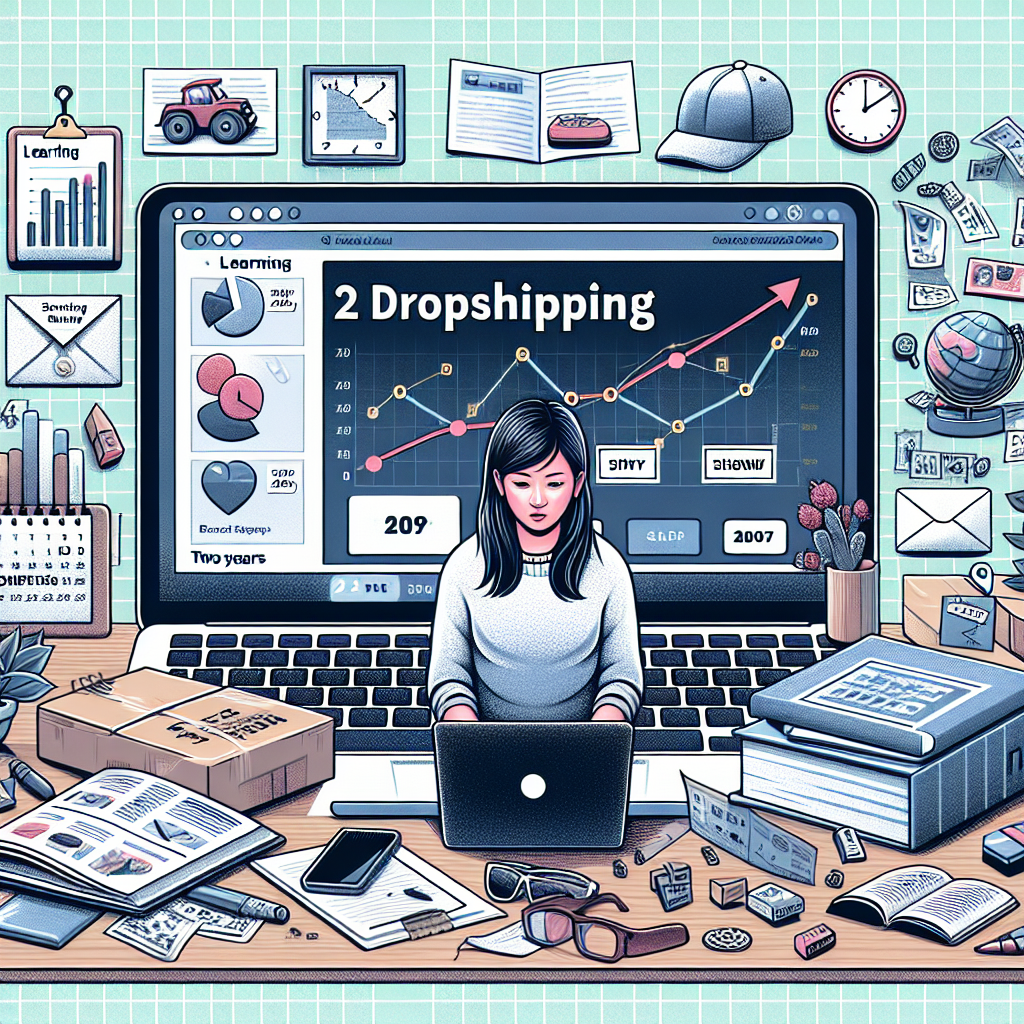
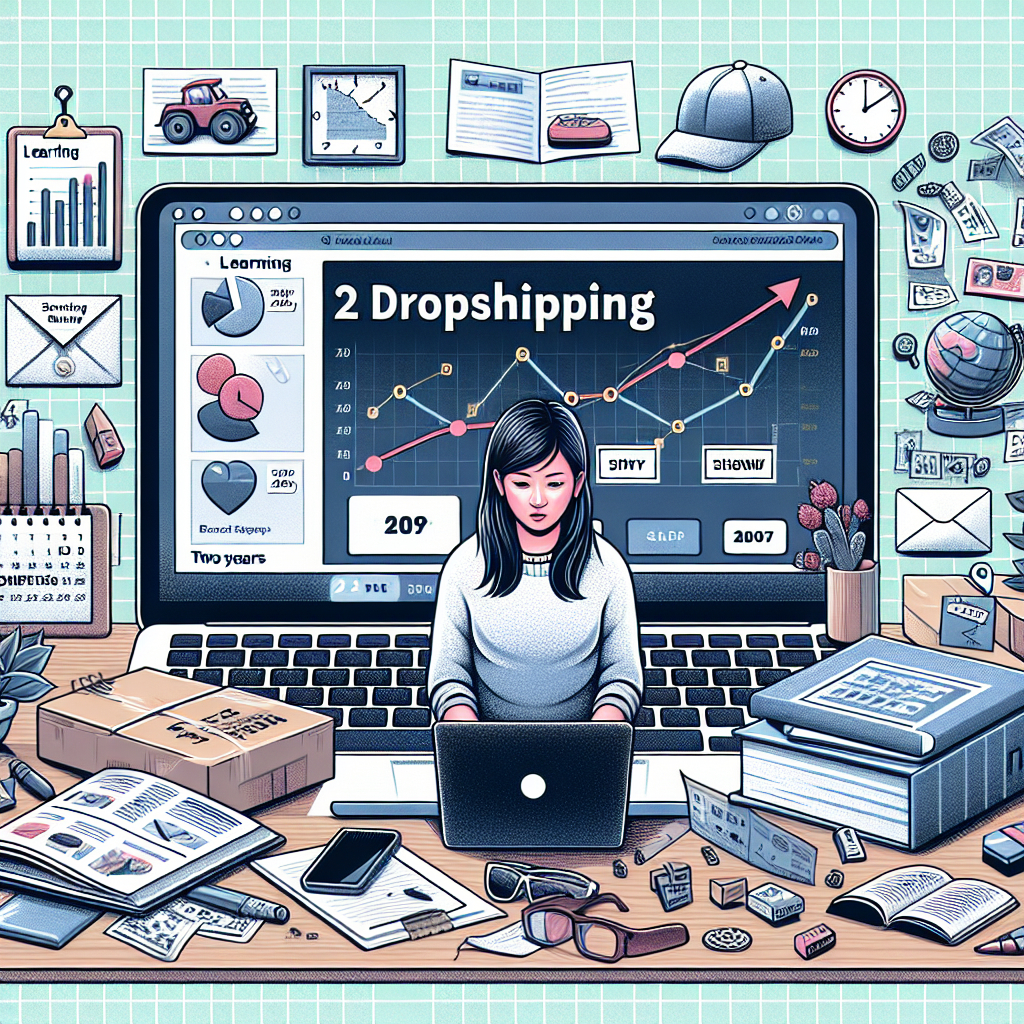
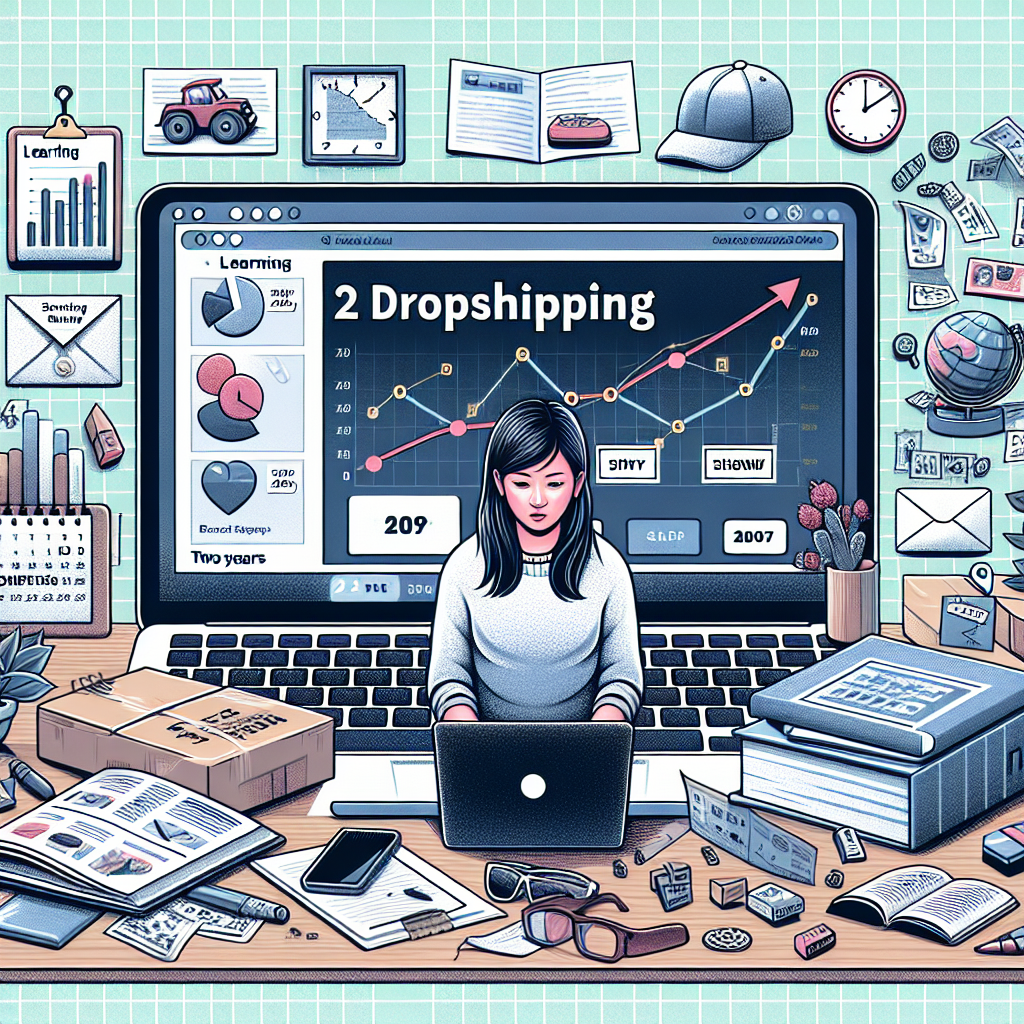
  • **Finding Your Niche: Specificity Over Variety

    A common misconception is that broader store offerings will attract more customers. Let me tell you—this isn’t the case. Be laser-focused on a specific niche. Generic stores rarely thrive because they lack a targeted audience. Think of brands like Shopee; they succeed with a wide array of products due to their massive infrastructure and trust. As a budding dropshipper, honing in on a specific product type gives you a fighting chance in the competitive market.

    **Understanding Your Audience: Gender Dynamics in Sales**

    I’ve experienced the nuances of selling to both male and female audiences. Here’s what I learned:

    – **Male Shoppers:** Although they make fewer purchases, their buying habits are more responsible. Returns and chargebacks are rare, which gives a degree of stability.

    – **Female Shoppers:** Women tend to shop more but can be indecisive, especially with clothing. This can lead to higher return rates. Prepare for a little more back-and-forth when targeting this energetic market.

    **Branding is Essential: Building Trust in a Skeptical Market**

    Gone are the days when dropshipping was a well-kept secret. Today, consumers are more informed and cautious. Your goal should be to create a brand that inspires confidence. Instead of appearing as a fleeting intermediary, establish yourself as a reliable brand. This helps sidestep skepticism around “cheap” products and builds loyalty.

    **National vs. International: Discovering the Right Market**

    Initially, I aimed at the Brazilian market, experiencing growth pains and political taxes that shifted my focus internationally. This taught me that persistence and adaptability are key. Exploring European markets revealed knowledgeable consumers and stiff competition. It’s a balance—larger audiences with discerning tastes. The takeaway? Tailor your strategy to the strengths and weaknesses of each market.

    **Does Dropshipping Still Yield Profit? Absolutely!**

    Dropshipping remains profitable, but the field is tightening. To succeed, aim to be the top 1% in the market. Quick riches simply won’t happen—it’s about consistent effort and smart strategies. The legends from the early 2020s are now pivoting to courses; take heed from their stories but forge your own path.

    Dropshipping is a journey, filled with learning curves and triumphs. Whether you’re playing with platforms, experimenting with niches, or scaling internationally, always be ready to pivot and innovate. The market changes, and so must you. Feel free to share your experiences or questions below—let’s learn and grow together.

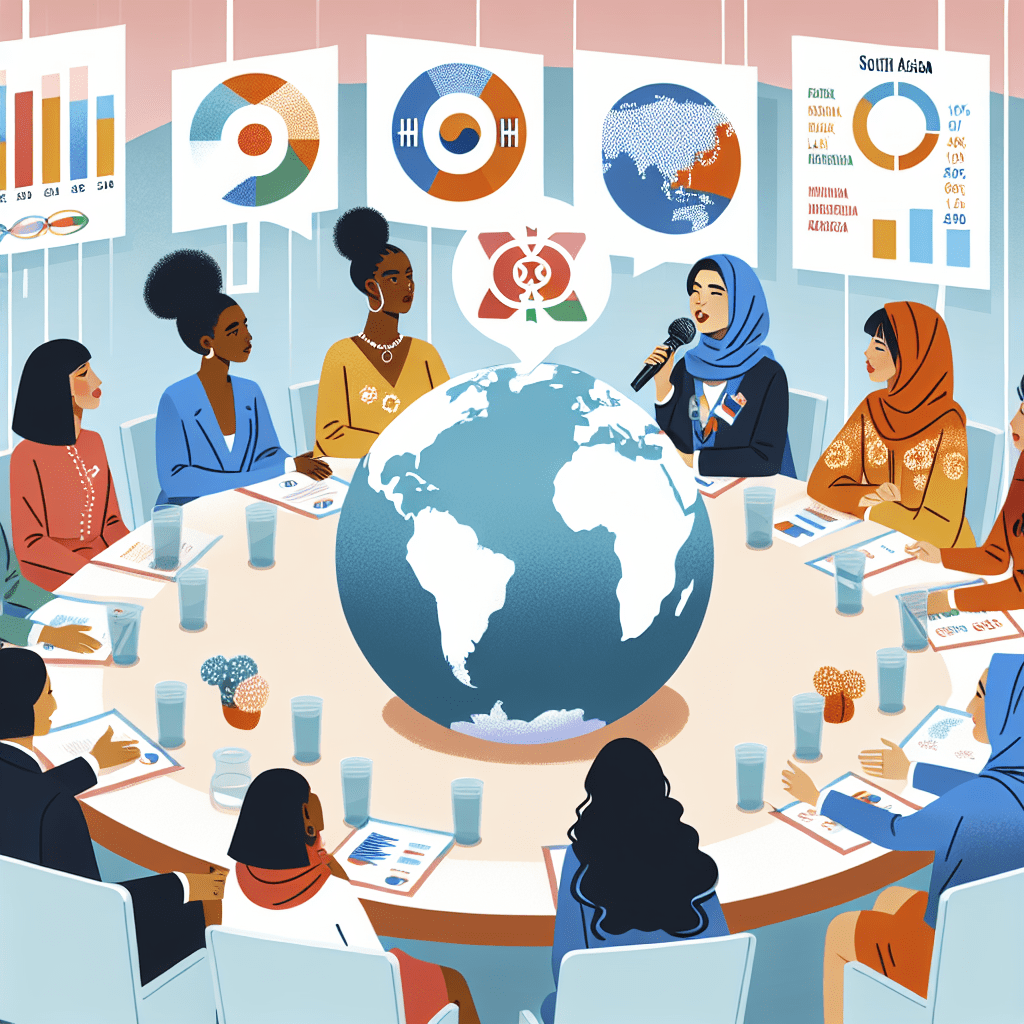
  • Exploring the Factors Behind South Korea’s Low Birth Rates

    Have you ever wondered why birth rates are plummeting in some countries while flourishing in others? Recently, a survey revealed a striking statistic: South Korean women are the least willing to give birth among major UN countries. This comes as no surprise to those familiar with the pressures faced by women in South Korea. Let’s take a closer look at the complex web of cultural and economic factors influencing this trend and explore what can be done to turn the tide.

    **Economic Pressures and Career Challenges**

    One of the most significant factors is financial strain. Raising children is expensive, and South Korea’s high cost of living doesn’t help. Housing, education, healthcare—all these costs add up, making prospective parents hesitant. Moreover, many women face career hurdles in a society with deep-rooted gender roles. Balancing career ambitions with motherhood is daunting, especially if societal support and workplace policies are lacking.

    Imagine feeling forced to choose between career growth and starting a family. Quite a tough decision, right? Women’s participation in the workforce is crucial for a country’s economic prosperity, yet many workplaces in South Korea still lack maternity policies that support working mothers.

    **The Cultural Influence**

    Aside from economic challenges, there’s the cultural aspect. Traditional expectations still weigh heavily on women in South Korea. The expectation to excel in maintaining a household while thriving in their careers puts immense pressure on women. This dual burden can lead to a conscious decision to delay or entirely forgo having children.

    Family dynamics and the role of women within them are slowly changing, but cultural evolution takes time. Until more equitable responsibilities in parenting and housekeeping can be truly achieved, the reluctance to bear children may persist.

    **Potential Solutions and Hope for Change**

    So, what’s the solution? For starters, a shift in workplace culture is essential. More comprehensive parental leave policies and flexible working conditions can make a considerable difference. Employers who champion such policies not only benefit their staff but also gain access to a broader talent pool—and that’s a win-win situation.

    Government policies also play a crucial role. Incentives for families, affordable childcare, and initiatives that promote a healthy work-life balance could encourage more women to consider having children. Raising public awareness about shared parenting responsibilities can further support cultural change.

    As societies, we must recognize that children’s well-being and women’s empowerment are not mutually exclusive. By fostering an environment where women can thrive both in the workplace and at home, we create a future that benefits everyone.

    In conclusion, South Korea’s low birth rate among women is a multifaceted issue rooted in economic, cultural, and societal factors. Addressing these can help create an environment where women feel more supported in their choices to bring new life into the world. It’s a challenging task, but one that holds the promise of a brighter, more balanced future.

    Thank you for reading! Feel free to share your thoughts in the comments below. How do you think societies can better support women in making these significant life choices?

  • **Finding Your Niche: Specificity Over Variety

    A common misconception is that broader store offerings will attract more customers. Let me tell you—this isn’t the case. Be laser-focused on a specific niche. Generic stores rarely thrive because they lack a targeted audience. Think of brands like Shopee; they succeed with a wide array of products due to their massive infrastructure and trust. As a budding dropshipper, honing in on a specific product type gives you a fighting chance in the competitive market.

    **Understanding Your Audience: Gender Dynamics in Sales**

    I’ve experienced the nuances of selling to both male and female audiences. Here’s what I learned:

    – **Male Shoppers:** Although they make fewer purchases, their buying habits are more responsible. Returns and chargebacks are rare, which gives a degree of stability.

    – **Female Shoppers:** Women tend to shop more but can be indecisive, especially with clothing. This can lead to higher return rates. Prepare for a little more back-and-forth when targeting this energetic market.

    **Branding is Essential: Building Trust in a Skeptical Market**

    Gone are the days when dropshipping was a well-kept secret. Today, consumers are more informed and cautious. Your goal should be to create a brand that inspires confidence. Instead of appearing as a fleeting intermediary, establish yourself as a reliable brand. This helps sidestep skepticism around “cheap” products and builds loyalty.

    **National vs. International: Discovering the Right Market**

    Initially, I aimed at the Brazilian market, experiencing growth pains and political taxes that shifted my focus internationally. This taught me that persistence and adaptability are key. Exploring European markets revealed knowledgeable consumers and stiff competition. It’s a balance—larger audiences with discerning tastes. The takeaway? Tailor your strategy to the strengths and weaknesses of each market.

    **Does Dropshipping Still Yield Profit? Absolutely!**

    Dropshipping remains profitable, but the field is tightening. To succeed, aim to be the top 1% in the market. Quick riches simply won’t happen—it’s about consistent effort and smart strategies. The legends from the early 2020s are now pivoting to courses; take heed from their stories but forge your own path.

    Dropshipping is a journey, filled with learning curves and triumphs. Whether you’re playing with platforms, experimenting with niches, or scaling internationally, always be ready to pivot and innovate. The market changes, and so must you. Feel free to share your experiences or questions below—let’s learn and grow together.

  • Building a Greener Future: How Waste Glass Transforms into Sustainable Construction Blocks

    Subheading: A New Twist on Recycling That Could Revolutionize Construction

    Hey, fellow eco-enthusiasts! Have you ever wondered what happens to all those glass bottles and jars once they hit the recycling bin? If you’re anything like me, you hope they’re given a fresh start in some way. Well, I’ve got some exciting news from the recycling frontlines. Researchers are turning waste glass into construction blocks, a development that’s both brilliant and environmentally friendly!

    ### The Magic of Glass

    Glass is everywhere in our lives, from windows to drinking glasses. But what happens when we toss it away? Traditionally, much of this waste would end up in landfills. Enter our eco-heroes—researchers who have figured out how to use powdered glass in building materials. Not only does this help reduce landfill waste, but it also leads to the creation of sturdy, sustainable building blocks.

    ### Why It Matters

    Let me break it down for you. This innovation means less glass in landfills and a smaller need for raw materials in building construction. The construction industry is one of the largest consumers of resources, so using recycled materials can make a huge difference in shrinking the industry’s carbon footprint.

    ### How Does It Work?

    You might be wondering, “How exactly does waste glass become a building block?” Here’s the scoop: The process involves powdering the discarded glass. This powdered glass is then mixed with other materials to create a composite for construction blocks. These blocks are not only durable but also environmentally friendly, aligning with a growing demand for sustainable building solutions.

    ### The Impact on Sustainability

    Using recycled glass in construction has several perks. Firstly, it cuts down on the extraction of natural resources like sand and gravel, which are commonly used in building. This reduction helps preserve natural landscapes and ecosystems. Secondly, it provides a practical solution for managing glass waste, contributing to a more circular economy where waste isn’t just tossed but transformed.

    ### Join the Green Revolution

    Imagine building your next home with these sustainable blocks. The idea is both thrilling and reassuring, offering a vision where our daily habits—like recycling glass—play a part in larger, impactful environmental changes.

    So, next time you’re about to get rid of that glass bottle, remember there’s a chance it could one day be holding up walls instead of cluttering up landfills. Recycling just got a whole lot cooler, didn’t it?

    ### A Future to Build On

    Innovation like this shines a light on how creative thinking can lead to steps forward in sustainability. Encouraging these advancements means supporting a world where waste becomes a resource, leaving both the planet and future generations in a better place than we found it.

    Together, we can cheer on and advocate for more projects that harness technology for a healthier Earth. Let’s raise a (glass) toast to a greener, brighter future!

  • **Finding Your Niche: Specificity Over Variety

    A common misconception is that broader store offerings will attract more customers. Let me tell you—this isn’t the case. Be laser-focused on a specific niche. Generic stores rarely thrive because they lack a targeted audience. Think of brands like Shopee; they succeed with a wide array of products due to their massive infrastructure and trust. As a budding dropshipper, honing in on a specific product type gives you a fighting chance in the competitive market.

    **Understanding Your Audience: Gender Dynamics in Sales**

    I’ve experienced the nuances of selling to both male and female audiences. Here’s what I learned:

    – **Male Shoppers:** Although they make fewer purchases, their buying habits are more responsible. Returns and chargebacks are rare, which gives a degree of stability.

    – **Female Shoppers:** Women tend to shop more but can be indecisive, especially with clothing. This can lead to higher return rates. Prepare for a little more back-and-forth when targeting this energetic market.

    **Branding is Essential: Building Trust in a Skeptical Market**

    Gone are the days when dropshipping was a well-kept secret. Today, consumers are more informed and cautious. Your goal should be to create a brand that inspires confidence. Instead of appearing as a fleeting intermediary, establish yourself as a reliable brand. This helps sidestep skepticism around “cheap” products and builds loyalty.

    **National vs. International: Discovering the Right Market**

    Initially, I aimed at the Brazilian market, experiencing growth pains and political taxes that shifted my focus internationally. This taught me that persistence and adaptability are key. Exploring European markets revealed knowledgeable consumers and stiff competition. It’s a balance—larger audiences with discerning tastes. The takeaway? Tailor your strategy to the strengths and weaknesses of each market.

    **Does Dropshipping Still Yield Profit? Absolutely!**

    Dropshipping remains profitable, but the field is tightening. To succeed, aim to be the top 1% in the market. Quick riches simply won’t happen—it’s about consistent effort and smart strategies. The legends from the early 2020s are now pivoting to courses; take heed from their stories but forge your own path.

    Dropshipping is a journey, filled with learning curves and triumphs. Whether you’re playing with platforms, experimenting with niches, or scaling internationally, always be ready to pivot and innovate. The market changes, and so must you. Feel free to share your experiences or questions below—let’s learn and grow together.