
• Here’s a step-by-step approach you can take to address unwanted videos showing up in your Google Knowledge Panel.

    #### 1. **Verify and Strengthen Your Brand’s Online Presence**

    – **Regular Checks**: Make it a habit to monitor your online presence across various platforms to catch any discrepancies early.
    – **List Your Social Accounts**: Ensure your legitimate social media accounts and official website are properly linked and verified through Google’s various tools like Google My Business, Google Search Console, and Google’s Knowledge Panel claim process.

    #### 2. **Identify and Report the Problem**

    – **Trace the Source**: Work backward to determine how these unrelated videos are linked to your panel. Use tools like Google’s Search Console to assess which backlinks might be contributing to the issue.
    – **Report**: Continue to report discrepancies to Google. While this user has faced challenges, persistence can help get these issues prioritized.

    #### 3. **Legal and Technical Measures**

    – **DMCA Takedown**: You can pursue a DMCA (Digital Millennium Copyright Act) takedown request for cloned content. Though challenging, especially given international hosting, it’s a necessary step.
    – **Contact Hosting Providers**: Reach out to the host providers, even if they’re international, and explain the situation.
    – **Seek Professional Help**: Consider hiring a digital rights management professional who can navigate the complicated task of dealing with international tech laws.

    #### 4. **Requesting Google’s Guidance**

    – It can be difficult to get Google’s attention on such matters, but continue efforts by reaching out to any available support channels. Joining forums and communities like Reddit’s r/bigSEO can help gather more support and insight.

    ### Preventive Measures

    – **Renew Domains Promptly**: Don’t let your related domain names expire.
    – **Enhanced Security**: Use multi-factor authentication on all platforms associated with your brand to prevent unauthorized access.

    ### Conclusion

    While it’s an aggravating process, addressing inaccuracies in your Google Knowledge Panel is crucial for maintaining your brand’s authenticity and trustworthiness. Stay proactive, keep reporting, and make use of legal frameworks to protect your brand’s online image. With ongoing efforts, you can regain control and safeguard your digital reputation.

    Have you faced a similar issue or found any other solutions? Share your experiences below, and let’s create a community that helps each other navigate these modern digital challenges!
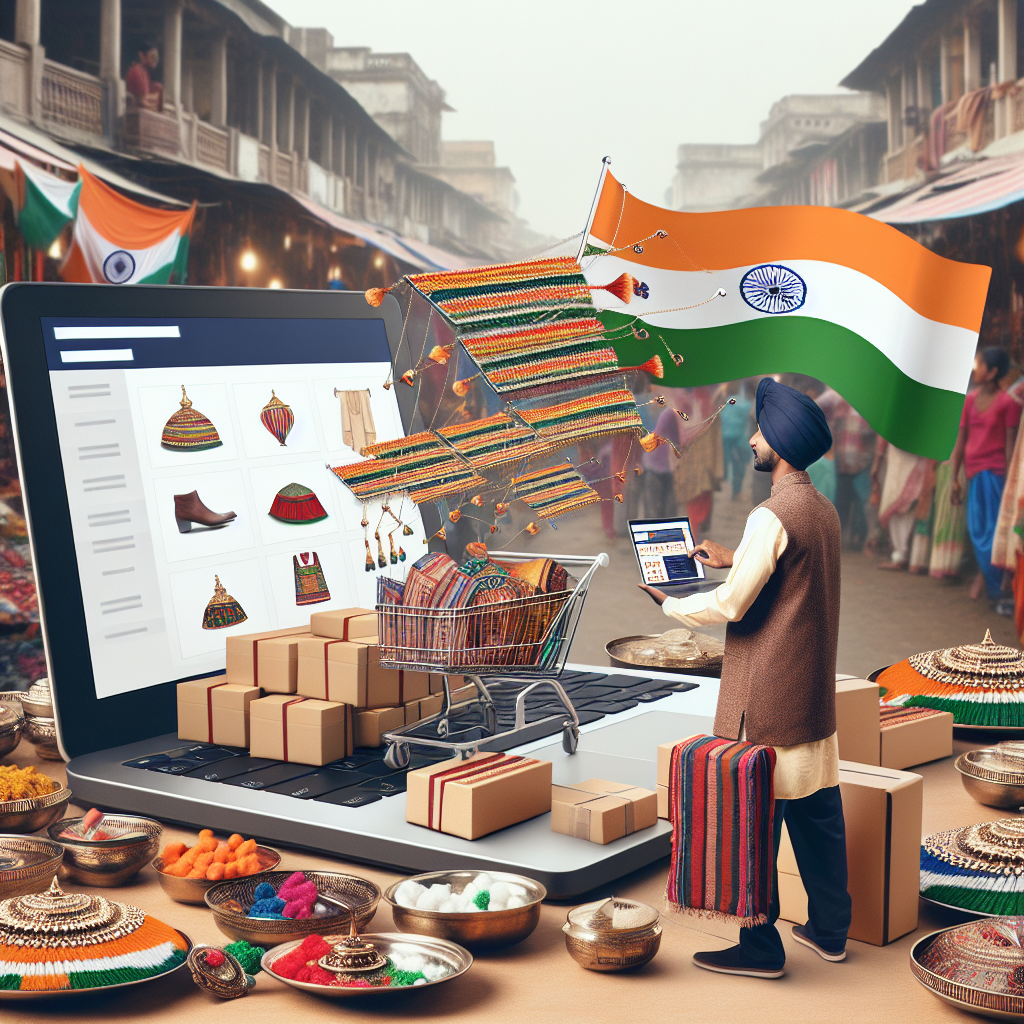

  • 1. **Niche Selection**: Find a niche that isn’t overly saturated. This ensures you have a target audience that’s reachable and ready to buy.

    2. **Customer Service Excellence**: Differentiating yourself with excellent customer service can significantly boost your brand image.

    3. **Utilize Social Media**: Leverage platforms like Instagram and Facebook to market your products. Social media is a cost-effective way to reach potential customers and engage with your audience.

    4. **Continuously Learn and Adapt**: The world of e-commerce is always evolving. Stay updated with the latest trends and technologies to remain competitive.

    ### The Future of Dropshipping in India

    As internet penetration continues to rise and technologies improve, dropshipping in India shows no signs of slowing down. For those willing to learn and adapt, the landscape offers a wealth of opportunities. With dedication and strategic planning, Indian dropshippers can not only thrive locally but also establish a significant presence on the international stage.

    In conclusion, dropshipping presents a promising business model for Indian entrepreneurs, offering a chance to capitalize on the growing e-commerce market with relatively low risk. While challenges exist, with persistence and the right strategies, you can build a successful online business.

    Have you experienced dropshipping in India? Share your thoughts or tips in the comments below!

  • Let’s break down the conundrum. The core of this debate lies in determining whether weekly posts can significantly impact visibility or search rankings. And here’s the revelation—not just theoretically, but from real-world results: Consistent updates to your GBP seem to move the needle for many businesses.

    A business owner recently shared their experience on Reddit, showcasing how they upped their game by posting four times a week for a couple of months. These updates ranged from short promotions to seasonal tips. What’s interesting is that they noticed an uptick in views and map actions. Coincidence? Perhaps not.

    ### Why Regular Posting May Work

    1. **Keeps Your Profile Fresh**: Regular updates signal to Google and your audience that your business is active and engaged. This can enhance your relevance score, a factor Google considers for local search rankings.

    2. **Boosts Engagement**: Consistent posts offer more opportunities for potential customers to interact with your profile. Whether someone reacts to a promotional offer or finds value in a seasonal tip, these engagements can contribute to improved visibility.

    3. **Reinforces Branding**: Frequent updates help reinforce your brand message and presence. When customers repeatedly see your name, it can create a sense of familiarity and trust.

    4. **Utilizes SEO Tools**: Tools exist that allow you to schedule a month’s posts in advance. These tools are not just time-savers but also ensure you maintain consistency without getting bogged down by daily tasks.

    ### Real Results, Real Impact

    While the idea may seem speculative, there’s growing anecdotal evidence that supports the effectiveness of regular GBP posts. The business owner from the Reddit post used a scheduling tool to streamline their updates and observed a noticeable improvement in local reach. Their experience suggests that with minimal hassle, regular posting can enhance your business’s local footprint.

    ### Is It Just a Coincidence?

    The evidence suggests otherwise. As algorithms evolve, Google appreciates businesses that keep their profiles active and informative. While results can vary depending on industry and location, consistent effort paired with strategic updates seems to hold value.

    ### Final Thoughts

    There’s no one-size-fits-all approach in SEO. However, if boosting local visibility is your goal, harnessing the power of regular posts on your Google Business Profile can be an effective strategy. It’s about keeping the dialogue open and ensuring your business remains top of mind for local customers.

    So, why not give it a shot? As many are discovering, the payoff might just be the local boost your business needs.

  • But it’s not all about percentages. Here are some other tactics to consider:

    – **Free Shipping Threshold**: Set a spend threshold that unlocks free shipping.
    – **Limited-Time Offers**: Create urgency with time-sensitive sales.
    – **Loyalty Rewards**: Build a program to reward repeat buyers, which could also increase their average spend.

    ## Looking Forward

    Remember, the best offers tie into your brand’s story and customer habits. An offer’s success hinges on testing and getting to know your audience. Keep tweaking until you hit that sweet spot.

    So, which offer tactic should you try next? Whether it’s personalized discounts or bundle deals, the key is constant learning and adapting. Stay connected with your customers, tracking what they love, and you’ll pave your way to e-commerce triumph.

    What’s your take on these strategies? Do you have any e-commerce offer success stories? Let’s chat in the comments!

  • – rPS9kVPbgZF4vXq2hs6s9Xv2754qdRau98
    – rnQXgGAjqbF4KoBpcBK5YBHyZEL7nGWWoi

    – **10 million XRP** was moved to:
    – rHtLaipqqfbhgMSHkF1YcuWaivvgRH851o

    – **5 million XRP** each landed in:
    – rNLrQvgfLZNLqcqjAAQYBUNBSC5dVkiDXw
    – rhmkfhYZY3XJgGTcGxLAKuEoph49bmMqbb

    Approximately $140 million worth of XRP ended up at exchanges or services, according to observers, which hints at various possible uses from public trades, liquidity provisioning, or possibly financial agreements. Meanwhile, $35 million was received into two new addresses, the purpose of which remains undisclosed.

    ### Reading Between the Lines

    Such transactions inevitably attract the interest of crypto enthusiasts and analysts eager to understand their implications. So, what could be going on here?

    1. **Market Strategy:** The movement towards exchanges might suggest the intention to sell or trade. This would influence XRP’s market dynamics, possibly causing a ripple (pun intended) effect on its price.

    2. **Liquidity Needs:** This could also be a strategic positioning of assets to meet liquidity requirements without intending to impact market prices directly.

    3. **Partnerships and Projects:** Given Ripple’s extensive collaborations and projects, the transfers could relate to new ventures or settlement solutions requiring strategic XRP distribution.

    ### Looking Ahead

    Despite this significant movement, Chris Larsen-linked wallets retain over 2.81 billion XRP (~$8.4 billion). This kind of reserve highlights the enormous influence large holders continue to exert on market perceptions and price stability within the crypto world.

    For investors and crypto enthusiasts, the message here might be one of vigilance and curiosity. Monitoring these trends can provide insights into potential price movements or shifts in market strategy from major players.

    In conclusion, while the outcome of Larsen’s XRP shuffle is yet to be fully understood, it serves as a compelling reminder of the ever-changing and complex narrative of cryptocurrencies. Whether it’s as simple as liquidity or as strategic as a market play, it underscores the evolving strategies within the crypto landscape that can have far-reaching impacts.

  • Untitled Post
  • In the digital age, the power of social media platforms is undeniable; they connect, entertain, and educate us. Yet, with great power comes great responsibility—and sometimes danger. A concerning trend is emerging from the darker corners of the internet: neo-Nazi fitness clubs are using platforms like TikTok and Telegram to recruit American teens. It’s an alarming development that calls for parental vigilance and societal awareness.

    **The Rise of Neo-Nazi Fitness Clubs**

    You may wonder, “What exactly are neo-Nazi fitness clubs?” These groups disguise themselves as casual fitness enthusiasts focused on health and wellness. But beneath this innocuous facade lies a sinister motive: spreading hate-filled ideology among vulnerable teens. Leveraging the appeal of fitness and community, these clubs prey on teenage insecurities, entangling them in a web of extremism.

    **Why Teens Are Particularly Vulnerable**

    Teens are at a pivotal stage in life where identity formation and peer influence are crucial. Fitness clubs provide camaraderie and a sense of belonging, which are particularly attractive during adolescence. Neo-Nazi recruiters exploit this by masking their rhetoric with terms associated with strength, discipline, and self-betterment—values young people naturally gravitate towards.

    **The Social Media Connection**

    Platforms like TikTok, with its captivating and endless content loop, make perfect breeding grounds for these groups. Short, engaging videos lure users into following accounts that initially appear harmless. Once engaged, teens may encounter more explicit content or be directed to private groups on Telegram. The messaging app facilitates secretive communications away from public scrutiny, making it ripe for extremist recruitment.

    **Warning Signs and What Parents Can Do**

    As a parent, it’s terrifying to think your child could be ensnared by such groups. However, there are steps you can take to protect them:

    1. **Open Dialogue:** Regularly talk with your children about their online experiences. Share your concerns about the content they may encounter and stress the importance of critical thinking.

    2. **Monitor Online Activity:** Without infringing on their privacy, keep an eye on the platforms your teens are using. Encourage them to include you as a friend or follower where appropriate, allowing you to stay informed.

    3. **Educate on Media Literacy:** Teach your teens how to evaluate the information they come across online. Discuss the importance of checking sources and understanding the intentions behind shared content.

    4. **Encourage Healthy Outlets:** Guide your teens towards positive in-person activities where they can develop friendships and skills, reducing the appeal of online extremist communities.

    5. **Recognize Radicalization Warning Signs:** Be alert to changes in behavior. A sudden shift in belief systems, language aligning with extremist ideologies, or secretive behavior can be red flags.

    **Conclusion: Combating the Threat Together**

    It’s unsettling to acknowledge that the very tools designed to connect us can also be manipulated to spread hate. Awareness and education are key to dismantling these neo-Nazi fitness clubs’ recruitment efforts. By fostering open communication and providing guidance, we can shield our youth from falling into these harmful communities.

    Together, as a community, we can make the internet a safer place, nudging social media platforms to strengthen their policies against dangerous content and ensuring our next generation can surf the digital wave without being swept into the undertow of extremism. Let’s take this challenge head-on, protecting our teens and cultivating an inclusive and tolerant future for all.

  • **A New Era for U.S. Manufacturing

    This shift is part of a broader trend where American companies are considering reshoring their operations. Reshoring involves bringing manufacturing and other business activities back to the U.S. from overseas. It’s a move that promises not only to create jobs domestically but also to strengthen the local economies devastated by years of dependency on foreign production.

    The rationale behind this shift isn’t solely economic. The geopolitical landscape plays a crucial role as well. Tensions with China and competitive pressures from other countries like India have urged companies to reconsider their global footprints. There’s now a growing emphasis on reducing the dependency on foreign nations for critical manufacturing activities, which has become more pronounced following global supply chain disruptions in recent years.

    **Why the Change?**

    Several factors are driving companies to reverse their offshoring strategies:

    1. **Cost Efficiency**: Initially, offshoring was a cost-cutting measure. But rising labor costs in countries like China and India, alongside the hidden expenses of managing overseas operations, are eroding these benefits.

    2. **Technological Advancements**: Automation and advanced manufacturing technologies are making it more feasible to produce goods in the U.S. without significantly increasing costs.

    3. **Supply Chain Resilience**: Companies have learned the hard way about the vulnerabilities of long supply chains. The COVID-19 pandemic exposed how global events could severely disrupt production. Localizing supply chains can mitigate these risks.

    4. **Quality and Innovation**: With production closer to home, companies can better control quality and innovate more rapidly, keeping up with the fast-paced market demands.

    5. **Political Climate**: Policies and economic incentives favoring domestic production have gained traction. Initiatives to bring jobs back to America are supported not only by promises from political figures but also through measurable actions.

    **The Impact on U.S. Workers**

    For American workers, this could mean more job opportunities and a revitalization of industries that had once been declining. Positions in manufacturing, technology, and infrastructure maintenance will be more readily available, potentially reducing unemployment rates and bringing economic growth to more areas across the nation.

    However, it’s not an overnight process. The transition requires planning, investment, and addressing challenges such as skill gaps in the workforce. Companies need workers trained in current technologies and manufacturing processes, which might necessitate collaborations with educational institutions and government bodies to prepare a new generation of skilled labor.

    **Conclusion:**

    While the declaration that the days of outsourcing are over might be bold, the underlying shifts suggest a trend that is gaining momentum. The potential benefits of bringing manufacturing back to the U.S. are significant, offering a promising future for the American economy and workforce. As more companies catch on to this trend, we could witness a profound transformation in how and where America produces its goods. The road ahead has its challenges, but the possibilities it brings are just as substantial. Let’s keep an eye on how this unfolds in the coming years.

  • After the changes, keep a close watch on your traffic and rankings. Tools like Google Analytics and SERP tracking software will be your best friends here. Analyze user interaction with the new homepage. Is the bounce rate higher or lower? Are users engaging with the country selector?

    ### The Final Word

    Transitioning away from a 301 redirect without losing valuable link equity is indeed a meticulous task, but it can be done with careful planning and execution. Remember, every successful strategy starts with understanding your current position—what’s working, what’s not, and where you want to go. Keep testing, learning, and adapting, and your multi-regional WordPress site will thrive across all markets with a seamless user experience.

    What have you learned from this process? Share your insights and any additional tips in the comments below! Let’s keep the conversation going.

    —

    This journey of SEO optimization might feel like a marathon, but armed with the right strategy, your website is set to cross the finish line in style, upholding both usability and searchability. Ready to get started?