• In the world of cryptocurrency, BTCPay Server stands tall, serving as a vital project that embodies the essence of Bitcoin’s decentralization and freedom. Its creation stems from a community-driven initiative seeking to enhance financial autonomy by providing a free and open-source Bitcoin payment processor.

    The story of BTCPay Server is one of resilience and inspiration. It all began with Nicolas Dorier, a key figure in Bitcoin development, who set out to solve a pressing problem. The need for a decentralized payment system became evident when traditional payment processors posed limitations on cryptocurrency transactions. With a determination to create a fairer financial ecosystem, Dorier embarked on a journey to develop BTCPay Server as a response.

    BTCPay Server is more than just a payment processor; it’s a movement. It allows businesses to accept transactions directly without involving intermediaries, thus reducing fees and enhancing privacy. This is a game-changer for many small businesses and entrepreneurs who can now manage their finances independently, without the constraints of centralized entities.

    The beauty of BTCPay Server lies in its open-source nature. Being open-source means anyone can contribute to its development, ensuring that it remains secure, up-to-date, and democratic in nature. The vibrant community surrounding BTCPay Server is testament to its transparency and the shared vision of financial decentralization.

    Moreover, BTCPay Server empowers users by offering a wide array of features. Its integration capabilities are vast, supporting not just Bitcoin but various other cryptocurrencies. It can be easily integrated into existing platforms, making it accessible for businesses of all sizes. User-friendly documentation and supportive forums make it possible for even the non-technically inclined to set up and run the server with ease.

    The importance of such projects cannot be overstated. In a world where data privacy and financial freedom are becoming more critical, BTCPay Server serves as a beacon of hope and empowerment. It illustrates the potential of Bitcoin’s underlying philosophy: that financial self-sovereignty and transparency are achievable.

    Whether you are an entrepreneur, a small business owner, or simply a cryptocurrency enthusiast, BTCPay Server offers a powerful toolset for embracing the future of finance. By embracing BTCPay Server, you aren’t just adopting a payment system; you are joining a community and furthering a cause that believes in the potential of decentralized financial solutions for everyone.

    In closing, the rise of BTCPay Server is a reminder of what collective passion and ideas can achieve. It is proof that with the right tools and a dedicated community, the vision of decentralized finance can remain vibrant and accessible. So, as the world continues to explore the landscape of cryptocurrencies, BTCPay Server will undoubtedly remain a cornerstone of this transformative era.

  • – **Attention-Grabbing Blog Posts**: Crafting content that captures interest can be a game-changer. It’s more than writing; it’s about understanding what your audience is searching for.

    – **Service-Specific Pages**: Each page was dedicated to a different service we offer, making it easier for potential clients to find exactly what they need.

    – **Mastering Google Search Console and GA4**: It’s all about understanding the data. These tools helped me see what was working and what needed a tweak.

    – **Technical Fixes and Structured Data**: I delved into technical details, using tools like ChatGPT to handle structured data, then validated it with Google Rich Results.

    – **Creative Link Building**: By partnering up with other video production companies, I secured quality backlinks through mutually beneficial blog posts.

    – **Google Reviews and Business Profile Updates**: Encouraging satisfied clients to leave reviews and keeping our business profile fresh with weekly updates really drove engagement.

    #### Why It Worked: A Closer Look

    In May, I noticed substantial growth. What did I do differently? Well, some key changes include:

    – **Successful Blogs**: I crafted gear-related blogs that drove traffic and built our authority.

    – **Consistent Implementation of Schema Code**: Each blog and page had structured data, helping search engines understand our content better.

    – **Effective Home Page Title Adjustment**: Changing our home page title to “Bunker Hill Media: Video Production That Drives Proven Engagement” increased clicks and resonated with what we stand for.

    #### Navigating the Challenges

    Even with all this progress, keeping our rankings steady remains an uphill battle. We’ve climbed from the 90th position to hovering between 4th and 7th for “video production in Boston,” which felt like a giant leap forward. But it’s essential to stay focused on improving click-through rates (CTR) and consistently engaging with the community.

    #### Final Thoughts

    This journey has taught me that SEO isn’t just about hitting the top rankings—it’s a continuous learning process. Immense gratitude goes out to the supportive SEO community that made this experience way less intimidating. Remember, each small win is a step towards greater success. Keep at it, and you’ll see those efforts pay off in exciting ways!

    If you’re on a similar SEO path, let’s connect and share insights—every bit of knowledge helps us grow stronger together. Happy optimizing!

  • – **Solution:** Double-check your server settings. Sometimes, misconfigured server settings can lead to this error. Ensure your `.htaccess` file or server configuration files are not causing this issue.

    2. **Content Negotiation Problems:**
    – **Solution:** Sometimes, the server’s inability to negotiate the correct content types can cause the 406 error. Try adjusting your server settings to ensure it can handle different content types.

    3. **Examine Your CMS or Website Platform:**
    – **Solution:** If you’re using a content management system (CMS) like WordPress, outdated plugins or themes might be the culprits. Update them and see if the issue persists.

    4. **Application-Level Issues:**
    – **Solution:** Analyze your web application’s code and configurations. There might be some application-level restrictions returning the 406 status.

    5. **Check for Security Software:**
    – **Solution:** Security plugins or software, such as mod_security on Apache servers, might be too strict. Temporarily disable or configure them to see if your main URL indexes properly.

    ### Prevention and Best Practices

    To avoid future occurrences of the 406 Not Acceptable error, keep your software and plugins updated. Regularly check server settings and consult your hosting provider for specific advice applicable to your setup.

    ### Final Thoughts

    Facing a 406 Not Acceptable error can be frustrating, especially when it stops your main domain from being indexed. But by understanding the root causes and applying these straightforward solutions, you can overcome this hurdle and improve your site’s SEO performance.

    Remember, you’re not alone in this journey. The world of web indexing and SEO can be daunting, but a bit of troubleshooting goes a long way. Keep experimenting, learning, and optimizing your website. Soon enough, that main domain of yours will be shining brightly in the search results. Happy optimizing!

  • Ready to explore the future of mental health? Stay tuned as AI therapy like Ash might just become your next best mental health ally.
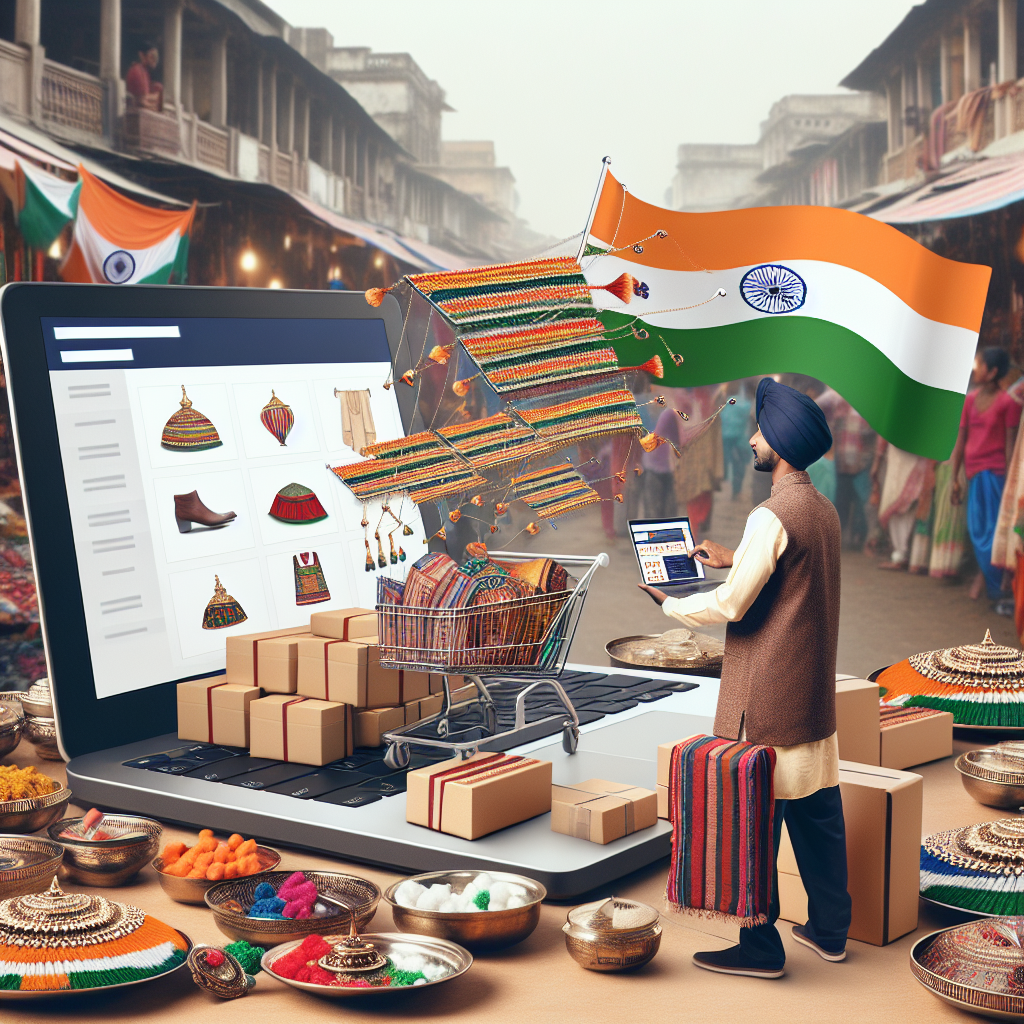
  • The Rise of Dropshipping in India: Opportunities and Insights

    **Subheading: How Indian Entrepreneurs Are Innovating the Dropshipping Scene**

    If you’ve ever considered starting an online business with minimal upfront investment, dropshipping might have crossed your radar. Notably, many Indian entrepreneurs are diving into this business model, making waves in the global market. But how exactly are they doing it?

    ### Understanding Dropshipping

    Before we dive into the potential of dropshipping in India, let’s revisit what this model entails. Dropshipping is a retail fulfillment method where a store doesn’t keep the products it sells in stock. Instead, it purchases the items from a third-party supplier who then ships the product directly to the customer. This means you, as the business owner, are free from the hassle of managing inventory or dealing with shipping complexities.

    ### Why Dropshipping in India is Gaining Momentum

    1. **Low Startup Costs**: One of the major attractions of dropshipping is its affordability. You don’t need to invest in stock upfront, which significantly lowers the risk involved in starting a business. This makes it an enticing option for Indian entrepreneurs with limited capital.

    2. **Growing E-commerce Market**: India’s e-commerce landscape is booming, driven by increased internet access and a growing trust in online shopping. This trend has created a fertile ground for dropshippers to reach larger audiences.

    3. **Global Supplier Access**: Thanks to platforms like AliExpress and Alibaba, Indian dropshippers can access a wide range of products at competitive prices, which they can then market to both domestic and international customers.

    ### Challenges Faced by Indian Dropshippers

    While the potential is there, starting a dropshipping business in India isn’t without its challenges.

    – **Payment Gateways**: Setting up a reliable payment gateway that supports multiple currencies and international transactions can sometimes be tricky.

    – **Customs and Duties**: Navigating customs laws and keeping abreast of changes in international shipping regulations is essential to avoid unexpected costs.

    – **Finding Reliable Suppliers**: Ensuring you partner with trustworthy suppliers who offer quality products is crucial. It’s important to test products and their delivery times before fully committing to a supplier.

    ### Tips for Aspiring Indian Dropshippers

    1. **Niche Selection**: Find a niche that isn’t overly saturated. This ensures you have a target audience that’s reachable and ready to buy.

    2. **Customer Service Excellence**: Differentiating yourself with excellent customer service can significantly boost your brand image.

    3. **Utilize Social Media**: Leverage platforms like Instagram and Facebook to market your products. Social media is a cost-effective way to reach potential customers and engage with your audience.

    4. **Continuously Learn and Adapt**: The world of e-commerce is always evolving. Stay updated with the latest trends and technologies to remain competitive.

    ### The Future of Dropshipping in India

    As internet penetration continues to rise and technologies improve, dropshipping in India shows no signs of slowing down. For those willing to learn and adapt, the landscape offers a wealth of opportunities. With dedication and strategic planning, Indian dropshippers can not only thrive locally but also establish a significant presence on the international stage.

    In conclusion, dropshipping presents a promising business model for Indian entrepreneurs, offering a chance to capitalize on the growing e-commerce market with relatively low risk. While challenges exist, with persistence and the right strategies, you can build a successful online business.

    Have you experienced dropshipping in India? Share your thoughts or tips in the comments below!

  • #### Common Product Page Mistakes:

    1. **Generic Layouts:** Many dropshipping store pages feel like copy-paste versions from AliExpress, lacking uniqueness.
    2. **Bland Copy:** Defaulting to emotionless, generic descriptions that don’t engage potential buyers.
    3. **Lack of Offers:** Just showcasing a product with a price isn’t enough. Shoppers need a compelling reason to purchase.
    4. **Disorganized Presentation:** Without a clear scroll path, customers get lost, leading to missed opportunities.
    5. **Mismatch in Tone:** A landing page that doesn’t match the ad’s energy can break the flow.
    6. **No Urgency or Assurance:** Without urgency or trust signals, potential buyers might hesitate or abandon their carts.

    ### Transforming Your Product Page

    Enhancing your product page boils down to implementing several targeted strategies:

    #### 1. **Crafting a Real Offer**

    Make your offer stand out by stacking bonuses and highlighting value. Create genuine urgency—not through fake timers, but effective positioning.

    #### 2. **Rewire Page Flow**

    Design your page to guide the customer smoothly through their journey. Start with a hook, identify the emotional pain, offer a solution, add social proof, address objections, and then seal with a strong call-to-action (CTA).

    #### 3. **Upgrade Your Copy**

    Your descriptions should serve as purpose-driven calls to act. Instead of dry facts, imbue your copy with immediate reasons to buy.

    #### 4. **Think Mobile First**

    Recognize that most traffic is mobile. Ensure your design caters to thumbs, offers speedy navigation, and caters to shorter attention spans.

    #### 5. **Smart Testing**

    Deviate from superficial A/B tests, like button colors. Direct your focus on testing larger aspects like messaging, layout configurations, and checkout processes.

    ### The Result: More Conversions, No Extra Spend

    Applying these changes can transition conversion rates from a mere 0.3% to a rewarding 2% or more. It’s remarkable how optimizing for human behavior with user-friendly conversion rate optimization (CRO) frameworks can bolster performance.

    ### Conclusion

    In the world of e-commerce, it’s vital to think beyond traditional methods of scaling. By honing your product pages, you’re not just enhancing user experience—you’re laying the groundwork for impressive revenue boosts without the need to increase ad spending.

    Ready to transform your store into a conversion powerhouse? Focus on these tactics, and watch your sales soar. Feel free to reach out for feedback or deeper insights into optimizing your digital storefront.

  • The financial world is rarely as black and white as it appears. While Jane Street may inspire mixed feelings, their impact on trading markets is undeniable. Whether viewed as commendable or controversial, their methods offer a glimpse into the evolution of financial engineering.

    In navigating narratives about firms like Jane Street, it’s crucial to differentiate between opinion and fact, recognizing that market perception is often influenced by both. The heart of successful trading continues to be complex, blending rigorous analysis with strategic execution.

  • Have you ever stumbled upon something so uncanny, it makes you sit up and question reality for a moment? That’s precisely the sentiment igniting conversations across the internet recently, thanks to a Reddit post connecting the dots between Henry Ford’s century-old ideas and Bitcoin’s current-day reality.

    Back in 1921, Henry Ford, the pioneering mind behind the modern assembly line and one of the most influential industrialists, proposed a new kind of “energy currency.” While at first glance, linking Ford’s ideas to today’s groundbreaking digital currencies might seem like a stretch, dive a little deeper and you will uncover striking parallels.

    ### Ford’s Futuristic Vision

    Ford suggested creating a currency backed not by gold, but by “units of energy.” The timing was emblematic of the post-World War I era, which was ripe for innovation and rethinking global economic structures. He envisioned an economic system less reliant on gold, which he believed held too much sway over global economies, and instead rooted in something more universally valuable and stable—energy.

    Now, consider Bitcoin. Introduced to the world in 2009, it’s a digital currency not pegged to a physical asset like gold. Rather, Bitcoin operates on a decentralized network, maintained by a technology called blockchain, where energy—literal computational power—is a critical component.

    ### The Power of Energy

    Isn’t it fascinating that Ford saw energy as a universal trade unit, emblematic of collective progress and technological growth? Today, Bitcoin miners use vast amounts of energy to power their computers, validate transactions, and unlock new bitcoins. This intricate process, known as “proof of work”, lies at the very heart of Bitcoin’s security and trust protocols.

    It’s almost as if Ford foresaw this reliance on energy. His advocacy for an energy-standard currency emphasized universality and independence from traditional financial mechanisms—a radical idea echoing strongly in Bitcoin’s ethos today.

    ### Breaking Boundaries with Bitcoin

    The Bitcoin phenomenon is about more than just currency. It’s a revolution against centralized financial control, echoing Ford’s aspirations to diminish gold’s dominance. Bitcoin champions a more egalitarian economy—a shared and open network democratically regulated by its users, similar to Ford’s vision of energy democratization.

    ### Wrapped in a Digital Dream

    Ford, in retrospect, emerges not just as an automotive giant, but as an early visionary of financial transformation. His recognition of energy’s potential as a currency pathway aligns with today’s digital currency reality, where energy and technology blend seamlessly to support vast digital ecosystems.

    ### Looking Ahead

    Understanding Bitcoin through the lens of Ford’s 1921 proposition offers a richer narrative. It underscores humanity’s enduring quest for financial evolution, one that challenges and reinvents traditional paradigms.

    So, next time you marvel at Bitcoin’s ascent or digital currencies’ potential, give a nod to Henry Ford. His century-old insights remain remarkably relevant—an intriguing testament to the timelessness of bold innovation.

    In the grand tapestry of monetary evolution, it’s instances like these that make history an endless source of inspiration and possibility. Who would have thought Henry Ford’s audacious ideas from 103 years ago would resonate so profoundly today?

  • ### Changing the Narrative

    Imagine if this inspiring moment becomes the norm. How different would our society be if helping others took precedence over sharing and likes? Stories of valor like this one urge us to rethink how we interact with emergency situations. It propels a narrative where people are celebrated for their actions, reinforcing that one small act of courage can profoundly change another person’s life.

    ### Why Such Stories Matter

    We live in a highly connected world, yet it’s stories like these that actually connect us in a deeper sense. They remind us of the shared humanity within us all. When someone puts others’ safety over their potential social media content, it enriches the human experience, bringing extraordinary change where it’s desperately needed.

    Undoubtedly, the decision made by this good Samaritan will be remembered not because it went viral, but because it truly embodies the essence of selflessness and humanity. As members of a global community, let us be inspired to act with heart, put down our phones, and extend a helping hand when we see someone in need.

    ### Final Thoughts

    This story from India is more than just a local tale of heroism. It’s a global call to action. When faced with a choice between documenting an accident or preventing it, may we all choose the latter. Next time you’re in a similar situation, remember this man’s brave choice—consider putting down your phone and stepping in to make a difference. The world needs more heroes like him.

  • While there’s no official statement from search engines explicitly stating this practice will lead to penalties, it could still resemble doorway strategies—sites created solely for manipulating search engine rankings. If spotted, this could lead to your sites being degraded in search results or, in worse cases, deindexed altogether.

    ### Could There Be Benefits?

    Using a single phone number across various sites could potentially benefit businesses with a strategic local marketing plan. It allows easy management of incoming calls and ensures consistency in contact information. Moreover, for businesses with genuine local branches but a centralized contact center, this approach aligns with reality.

    ### Best Practices to Consider

    1. **Unique Content**: Ensure each website provides unique, valuable content that caters specifically to your audience in its targeted location or niche. Avoid duplicating information across your sites.

    2. **Schema Markup**: Be cautious with using the same Organization schema markup. Vary these details slightly to differentiate branches or services.

    3. **Local Listings**: If your sites target specific geographical areas, make full use of Google Business Profiles (GBPs) for each location rather than solely relying on the number.

    4. **Consistent Branding**: Maintain brand consistency while ensuring each site offers a distinct voice and relevance to its visitors.

    5. **Consult an SEO Expert**: If unsure, speak with an SEO professional to analyze the potential impacts and personalize a strategy aligning with your business goals.

    ### Conclusion

    Before diving headfirst into using the same phone number across different sites, weigh the strategy’s benefits against potential risks. While it may seem like a straightforward move to enhance reach, mindful execution is crucial.

    By adhering to best practices and staying informed on ever-evolving SEO norms, you can navigate the fine line between valuable exposure and SEO pitfalls. Remember, search engines value authenticity, user relevance, and transparency—keep these at the forefront of your strategy.