—
**Breaking Chains: How Chief Theresa Kachindamoto Empowered Girls in Malawi**
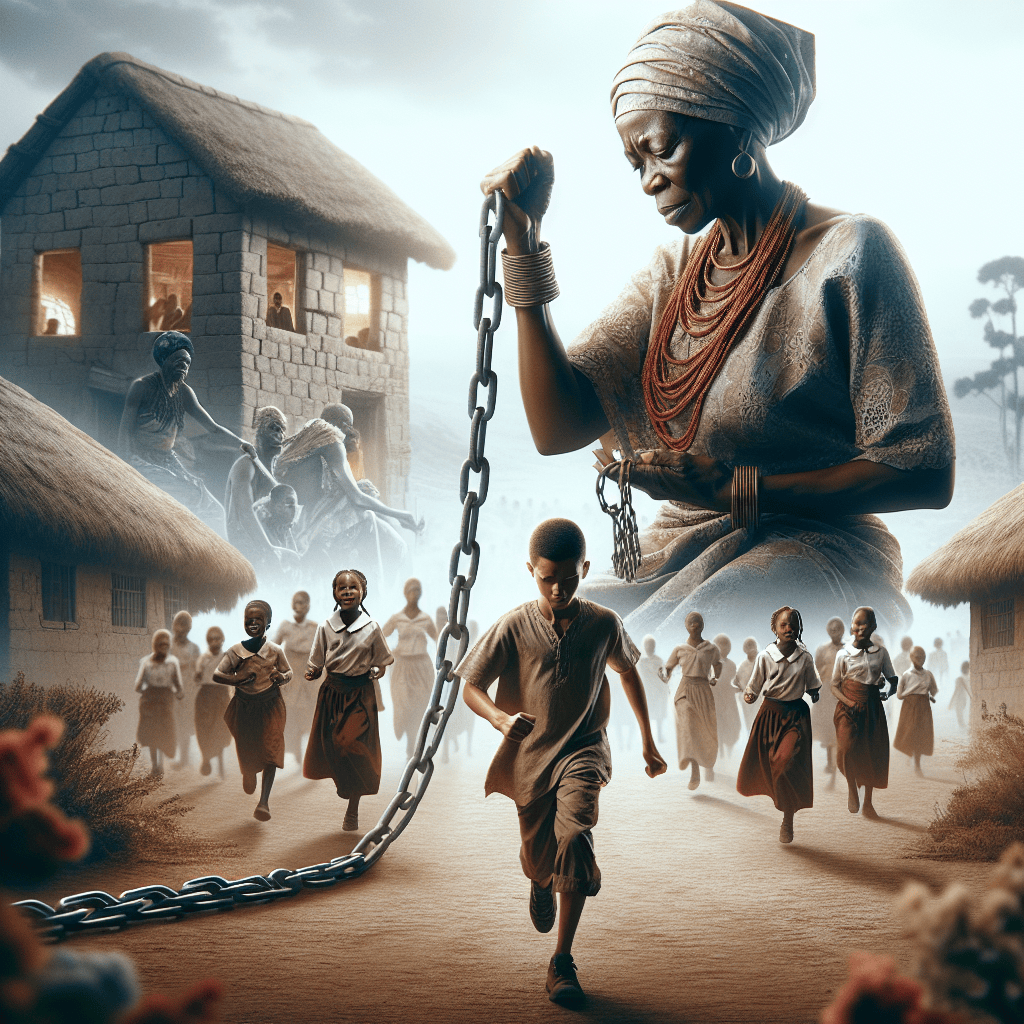
Child marriage is a pressing issue in many parts of the world, but bright spots of hope shine through the efforts of individuals like Chief Theresa Kachindamoto. As a leader in Malawi, she accomplished what many thought impossible—ending 850 child marriages and bringing young girls back to school. It’s a story of empowerment, resilience, and the transformative power of education.
**The Unwavering Stand of Chief Theresa Kachindamoto**
Chief Kachindamoto’s journey began in Dedza district of Malawi, where early marriage was a common practice. Shocked by the number of young girls forced into marriage, she decided it was time for a change. Her determination was as firm as it was inspiring. “You must have education,” she would tell the girls. “Without it, you have nothing.”
But change isn’t easy, and she faced significant resistance. Traditional norms and poverty meant child marriages were often seen as survival strategies. Yet, equipped with a strong will and community values, Chief Kachindamoto pushed forward. She spoke to parents, village elders, and the girls themselves, encouraging them to see a different future.
**Education as a Powerful Tool for Change**
Chief Kachindamoto believes in the power of education to break the cycle of poverty and subjugation. By dissolving marriages and ensuring girls returned to school, she provided them not just education, but a second chance at life. Schools became a sanctuary where these girls could dream of professions, learn new skills, and embrace their independence.
Her actions are not just about breaking marriages; they’re about redefining futures. Empowered girls transform into empowered women who contribute positively to their communities, making informed decisions and passing on the torch of change.
**Lessons in Leadership and Courage**
Leadership often requires tough decisions and standing against the tide of popular opinion. Chief Kachindamoto exemplified this by engaging with government bodies to build policies that supported the education of girls and the dissolution of child marriages. Her work not only impacted her community but also set a precedent for others to follow.
The story of Chief Kachindamoto isn’t just about the numbers or the marriages she ended. It’s a beacon of hope that emphasizes the ripple effect one leader can have. Her achievements remind us of the potential within each community to rise and bring about lasting change.
**Conclusion: A Call to Empower**
Theresa Kachindamoto’s legacy is a call to action for everyone. Whether it’s through policy change, community engagement, or simply choosing to speak up, we can all contribute to ending harmful practices like child marriage. Let’s take inspiration from her courage and commitment to ensure every child enjoys the right to education and a life of their choosing.
The world needs more leaders like Chief Kachindamoto, who are not afraid to stand up for what’s right. Her story is a testament to the power of one to ignite change and a reminder that together, we can build a brighter future for every child.
 Trend Engine: AI-Powered News & Trends