### Breathing Easier: How a Plant Closure Dramatically Improved Pittsburgh’s Air Quality
When it comes to the air we breathe, every little change can make a significant difference. This notion was dramatically illustrated in Pittsburgh, where the closure of a coal-processing plant led to a remarkable decrease in respiratory-related emergency room visits. The impacts are startling yet promising, especially for the city’s younger residents.
**Pittsburgh’s Air Gets a Breath of Fresh Air**
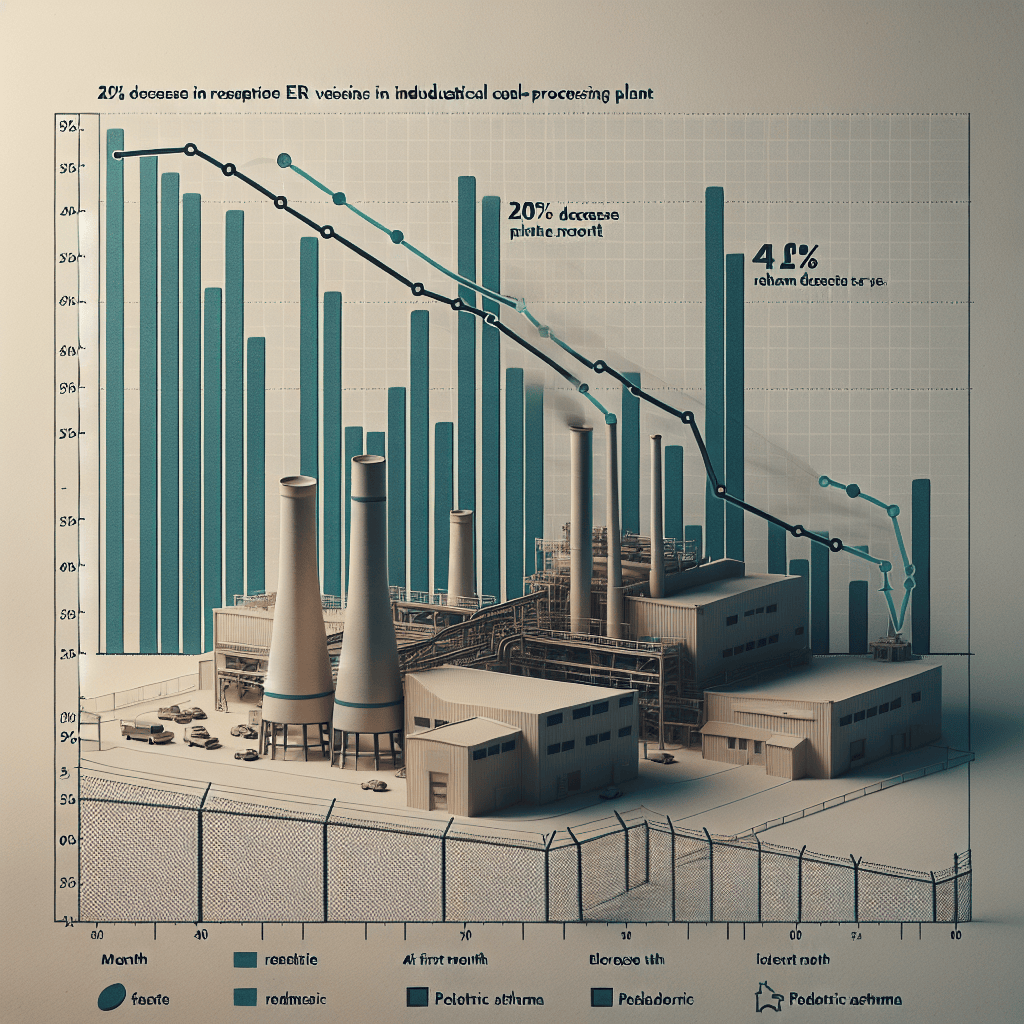
The shutdown turned out to be a breath of fresh air for Pittsburgh. In unprecedented numbers, respiratory-related ER visits dropped by a notable 20 percent. For many residents, this change was more than a statistic—it was the return of clear, breathable air.
**Asthma Cases Among Children Plummet**
What truly pulls at the heartstrings is the life-changing impact this closure had on children. Pediatric asthma visits to ERs declined by 41 percent in just the first month after the plant’s decommission. This significant fall didn’t just stop there. Month after month, the numbers continued to drop, decreasing by an additional 4 percent each month throughout the study period.
**Understanding the Link Between Industry and Health**
So, why did this happen? Well, coal-processing plants release a variety of pollutants into the air, contributing to the air quality challenges that can exacerbate respiratory issues, particularly in children. These pollutants can lead to chronic health problems, including asthma—a condition that can severely affect a child’s quality of life.
When the plant closed, the air pollution levels likely decreased, allowing the city’s lungs to breathe freely. The immediate health benefits observed underline the critical importance of clean air regulations and their enforcement.
**The Bigger Picture: What This Means for the Future**
Transitioning away from coal not only aligns with broader environmental goals but also shows immediate health benefits for communities. This story from Pittsburgh serves as a powerful reminder of the interconnectedness of our environment and health.
One city’s experience can be a guide for others, demonstrating that policy changes in energy production can lead to rapid health improvements. It’s not just about the numbers—it’s about enhancing the quality of life for families.
**Looking Forward**
As the drive toward cleaner air continues, Pittsburgh’s story paves the way for future discussions and actions surrounding energy production and public health. It’s a clear call to action for other cities facing similar industrial pollution challenges.
As respiratory issues decrease, and fewer children have to go to the ER for asthma attacks, Pittsburgh’s legacy becomes a model of hope and transformation. After all, everyone deserves the right to breathe easy.
 Trend Engine: AI-Powered News & Trends