### Breathing Easier: How Closing a Pittsburgh Plant Improved Respiratory Health
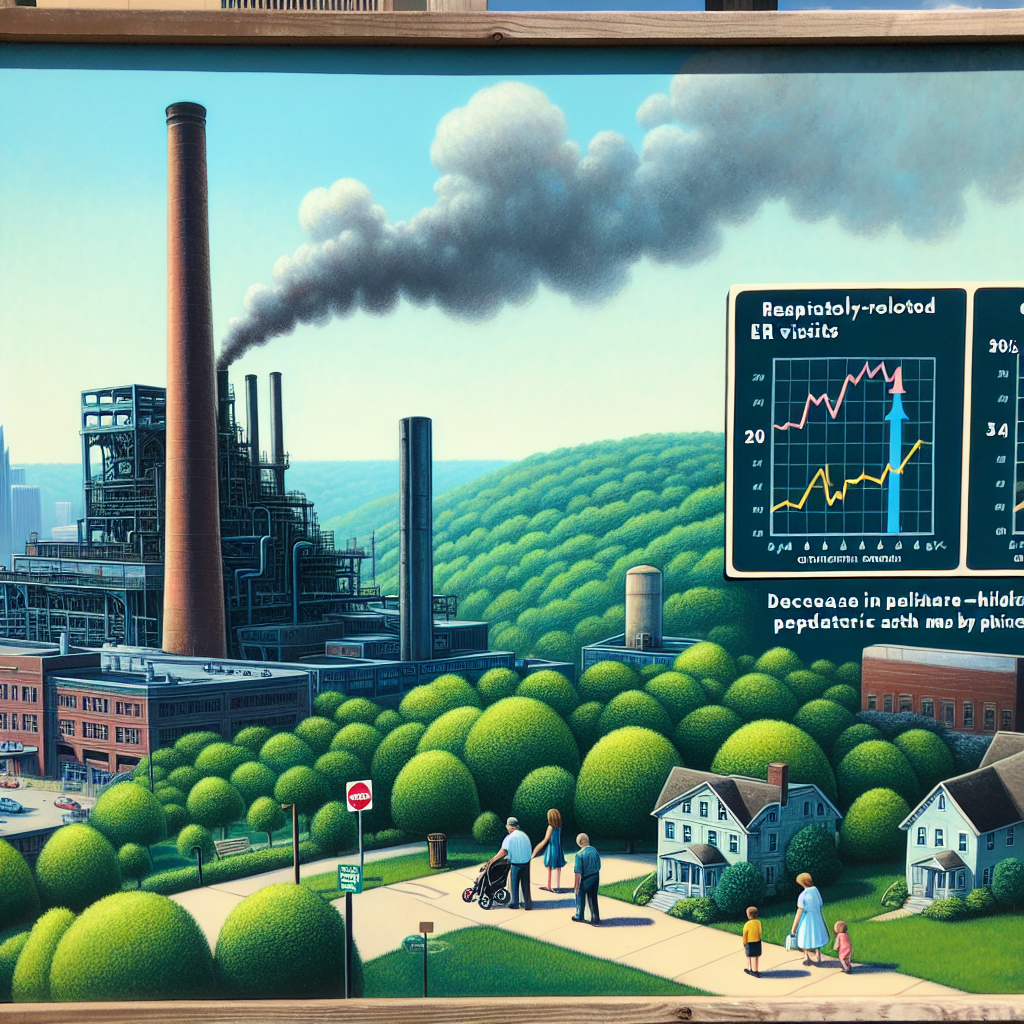
In an age when we’re all craving a breath of fresh air—literally and figuratively—Pittsburgh provides an intriguing tale of environmental redemption. Imagine a 20% drop in respiratory-related emergency room visits. Sounds promising, right? That’s exactly what happened after the closure of a coal-processing plant in the city. And for parents, the results were particularly heartening: pediatric asthma visits plummeted by 41% in just the first month after the plant’s shutdown.
### The Remarkable Power of Clean Air
When you think of Pittsburgh, your mind might leap to its rich industrial past. Once upon a time, the city was a beacon of America’s steel and coal industries. But these industries came with a hefty price—air quality suffered, with pollutants becoming an unwelcome part of everyday life. Fast forward to recent times, and the closure of one coal-processing plant made a noticeable difference.
Within just a month, children struggling with asthma were finding fewer reasons to visit the ER. Over the study period, the decrease in pediatric asthma visits continued at a refreshing rate of about 4% each month. That’s not just a statistic; it’s peace of mind for countless families.
### Breathing New Possibilities
The story underscores something many cities are grappling with—how vital clean air is to public health. Closing the plant wasn’t just an environmental decision; it was a health intervention. Cleaner air not only means less coughing and fewer asthma attacks but also a better quality of life.
For parents of kids with asthma, fewer trips to the ER mean fewer sleepless nights. It’s a chance to see their children run, play, and laugh without that ever-lurking worry.
### A Glimpse Into the Future
Pittsburgh’s experience presents a hopeful blueprint for other regions wrestling with pollution. The results speak for themselves, setting an example of how targeted environmental changes can yield significant health benefits. It also stirs a crucial conversation about balancing industrial progress with public health.
If closing one plant can bring about such positive change, imagine what we could achieve with a broader push for cleaner environments. Reducing air pollution isn’t just about improving skyline views—it’s about tangible, life-changing impacts on our health and the health of future generations.
### Final Thoughts
Sure, the path from an industrial hub to a greener haven is a complex journey. But if Pittsburgh’s story tells us anything, it’s that cleaner air is worth fighting for. Whether through policy changes, sustainable practices, or simply planting more trees, each step brings us closer to a world where everyone can breathe a little easier. And every breath counts.
 Trend Engine: AI-Powered News & Trends