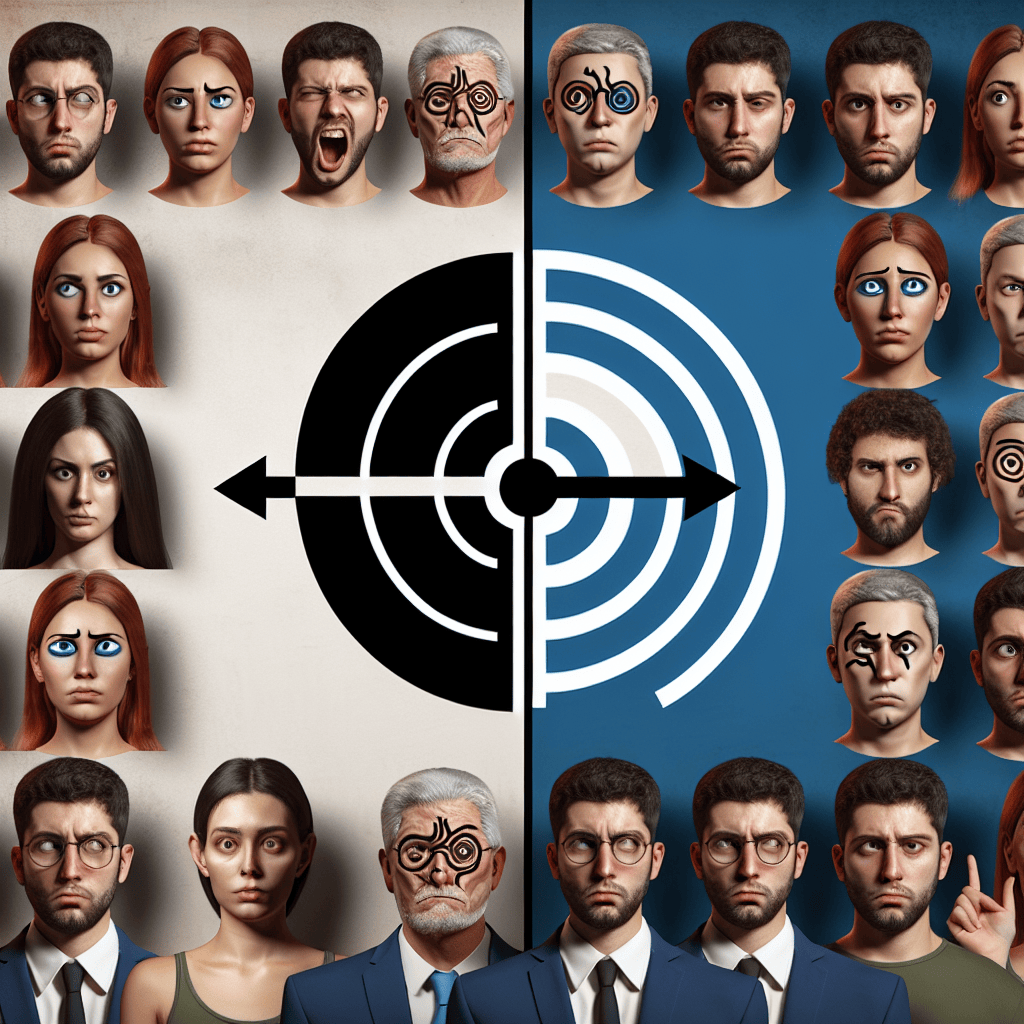
Title: Political Preferences and Personality: Insights into Trump Supporters
When we think about politics, we often focus on policies, debates, and election results. But have you ever considered the psychological traits of voters and how they might correlate with their political preferences? A recent study has delved into the personalities of those who have favorable views of Donald Trump, and the results are quite intriguing.
### Understanding the Study
Researchers have found that individuals who support Donald Trump tend to score higher on measures of callousness, manipulation, and other malevolent traits. Interestingly, these supporters generally score lower on empathy and compassion. This study suggests a link between political preference and certain psychological characteristics, questioning how personality traits might influence our political choices.
### The Personality Traits in Focus
The study focused on traits often associated with what psychologists call the “Dark Triad”: narcissism, Machiavellianism, and psychopathy. These traits encompass a blend of manipulativeness, a lack of empathy, and a strong focus on self-interest. Higher levels of these traits in Trump supporters might explain the appeal of his straightforward, often controversial rhetoric and policies.
### Empathy and Its Political Implications
Empathy, the ability to understand and share the feelings of others, is a trait that has shown to be less prevalent among Trump supporters according to this study. This reduced empathy could potentially influence their political views, teaching us about the intersection between how we feel about ourselves and others and the political decisions we make.
### Why Does This Matter?
Understanding how personality traits correlate with political orientation is crucial for multiple reasons. For politicians, it can provide insights into crafting messages that resonate more effectively with different voter bases. For the general public, it offers a peek into how our personal traits might dictate the political landscape.
### It’s Not Black and White
While the study highlights certain trends, it’s essential to remember not to generalize or stereotype individuals based on their political preferences alone. Human behavior is complex, and while some correlations exist, these do not define an individual entirely.
### Conclusion
This study opens up a conversation about the nuances of political alignment and personality traits. Whether you’re a supporter of Trump or not, understanding the psychological underpinnings of political preferences can promote better discourse and empathy across the political spectrum. After all, recognizing and respecting our differences is key to thriving together in any society.
 Trend Engine: AI-Powered News & Trends