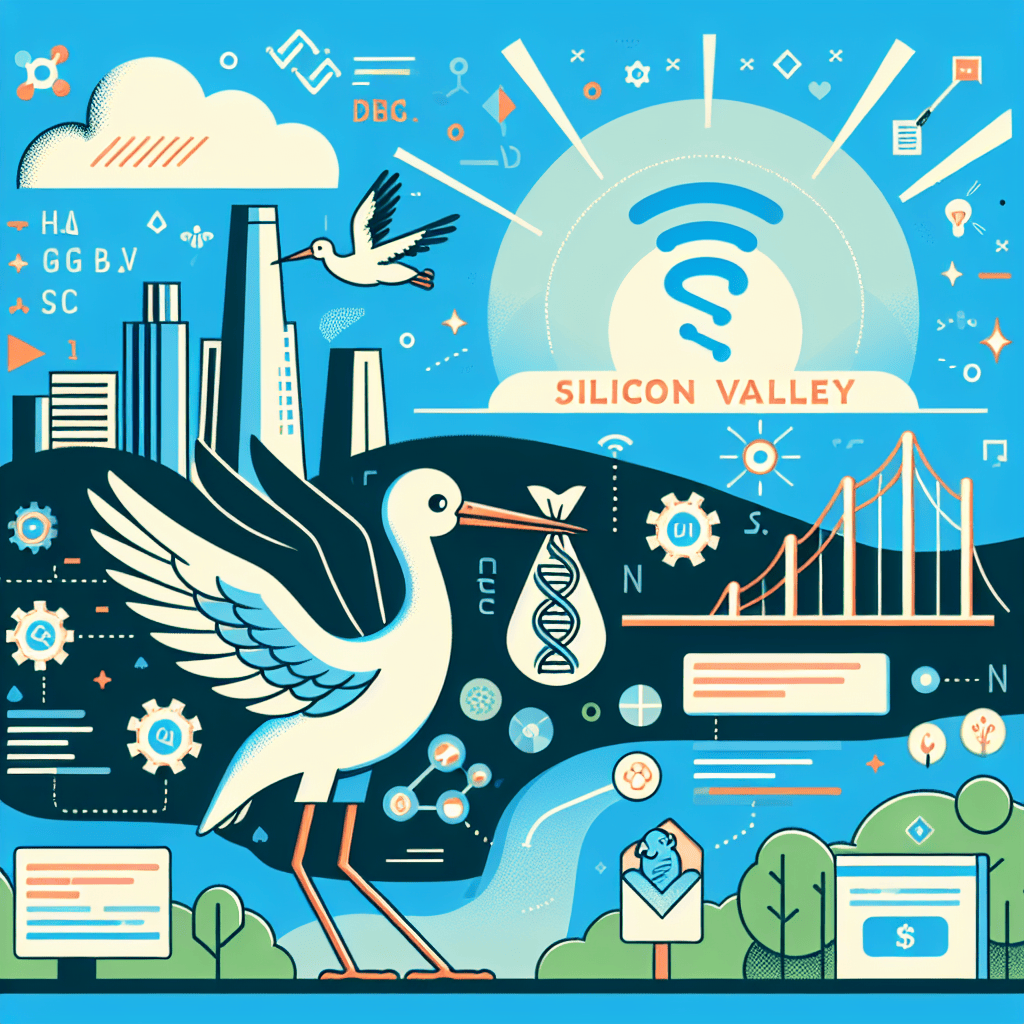
The idea of “super-babies” might sound like the stuff of science fiction, but in Silicon Valley, it’s rapidly becoming a reality. The tech industry’s fascination with innovation isn’t limited to gadgets and software; it’s now venturing into the realm of genetics with a focus on redefining human potential. So, what does creating super-babies really mean, and how are technology companies making it happen?
### What Are Super-Babies?
Super-babies refer to offspring that benefit from advanced genetic selection techniques to possess enhanced physical and intellectual traits. Imagine a future where parents can screen embryos for potential health improvements, intelligence levels, or even specific physical attributes. This idea isn’t entirely new, but thanks to advancements in genetic screening technologies, it’s closer to becoming a standard practice than ever before.
### The Role of Silicon Valley
Silicon Valley is at the forefront of this movement, leveraging its technological prowess to push the boundaries of human genetics. Companies are investing in polygenic screening, a sophisticated process that examines multiple genes associated with various traits and predicts how they might manifest in an individual. This isn’t only about avoiding hereditary diseases—it’s about optimizing potential.
### The Technology Behind It
The technology driving this vision is both complex and fascinating. Polygenic screening evaluates the likelihood of certain traits by analyzing DNA sequences. It relies on vast datasets that help predict how genes could interact in a given environment. While this sounds promising, it’s essential to understand that genes are just one piece of the puzzle. Environmental factors and lifestyle choices also play significant roles in an individual’s development.
### Ethical Considerations
With great power comes great responsibility. The notion of designing offspring raises a myriad of ethical concerns. Critics worry about creating a genetic underclass and the societal implications of such power. If only those who can afford these technologies can access them, it could exacerbate social inequalities. Moreover, there is the moral dilemma of deciding which traits are ‘desirable’ and who gets to make those decisions.
### The Future of Genetic Screening
Despite the controversies, the advancement of genetic screening technologies is unlikely to slow down. Advocates argue that these tools have the potential to eradicate genetic diseases and significantly improve quality of life. As with any technological innovation, careful consideration and robust ethical frameworks are required to ensure these capabilities are used fairly and responsibly.
### Final Thoughts
The concept of super-babies presents an exciting yet daunting look into the future. As Silicon Valley continues to innovate, it’s crucial for society to engage in open discussions about the ethical ramifications and establish guidelines that safeguard against potential misuse. While we stand on the brink of a genetic revolution, it’s a journey that we must embark on thoughtfully and inclusively.
Living in a world where technology can shape human potential is undoubtedly fascinating. Still, it’s vital to balance these possibilities with humanity and ethical considerations at the forefront.
 Trend Engine: AI-Powered News & Trends