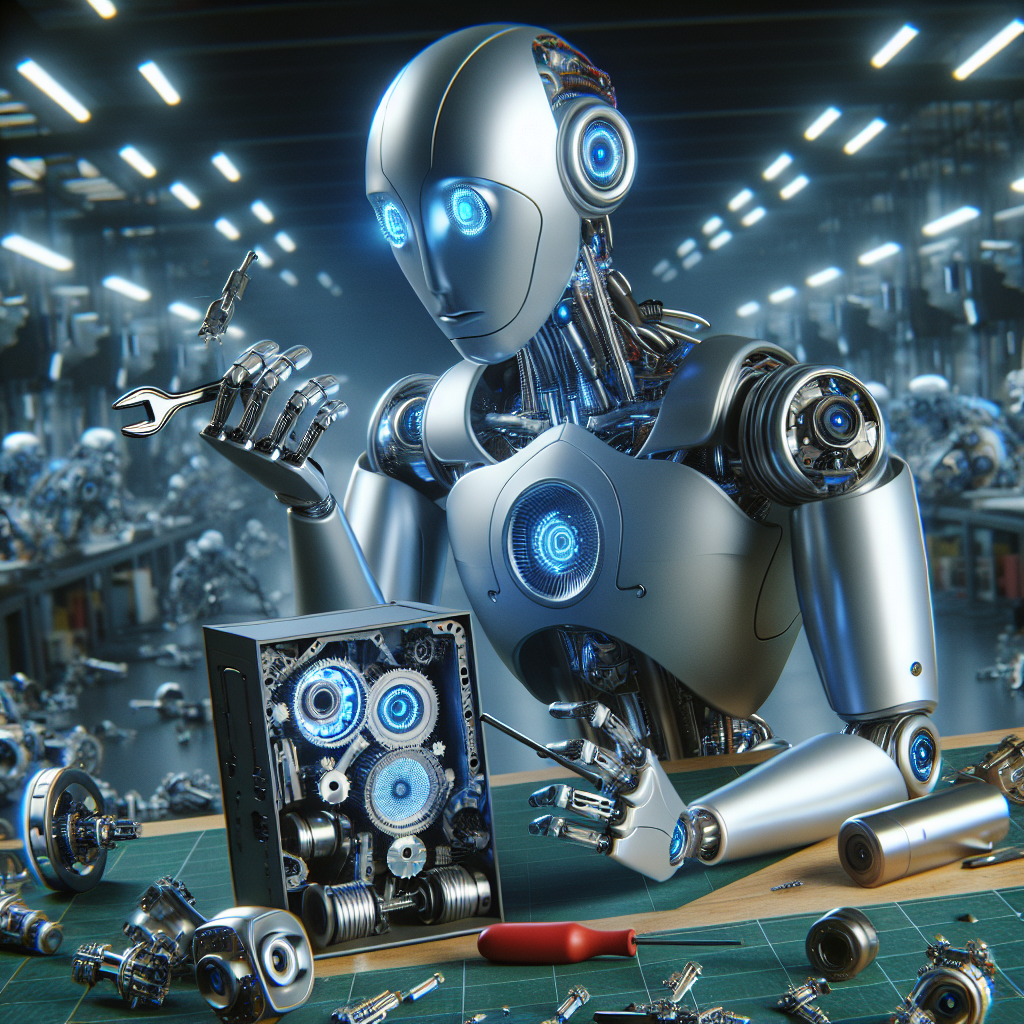
Imagine a world where robots are more self-sufficient than ever, capable of repairing and even growing by consuming parts from other machines. Sounds like science fiction, right? But it’s happening now, and it could reshape how we think about robotics and automation.
#### Robots with a Hunger for Innovation
Robots have come a long way. Traditionally, they required human intervention for repairs or upgrades. Now, with advancements in artificial intelligence and engineering, some robots can autonomously source parts from other machines. This is more than just a cool trick; it’s a massive leap toward creating machines that are self-reliant.
This development taps into the growing field of autonomous robotics, where machines are not just programmed to perform tasks but adapt, learn, and evolve. The concept is simple yet revolutionary: a robot breaks down another non-functioning machine, identifies what it needs, and integrates those parts into its system.
#### The Benefits of Autonomous Machine Repair
So, why is this important? For starters, it boosts efficiency. In industrial settings, downtime can be costly. If a robot can repair itself without human intervention, it can reduce unexpected halts in production. This ability also minimizes waste, as machines recycle usable parts, shedding new light on sustainability in manufacturing.
Moreover, this technology paves the way for advancements in robotics used in remote or hazardous environments. Think deep-sea explorations or space missions, where the ability to self-repair is invaluable.
#### Balancing Potential Risks and Rewards
However, this innovation doesn’t come without challenges. One main concern is security. Self-repairing robots that operate independently need robust cybersecurity measures to prevent any malicious tampering. Furthermore, ethical considerations on the control and autonomy of such machines are still under discussion.
Ultimately, as with any technology, it’s about balance. The benefits of autonomous and self-repairing robots are vast, yet they must be carefully managed to ensure they’re used responsibly and safely.
#### Conclusion: A Brave New Robot World
As we edge closer to a future filled with autonomous machines, the potential is exciting and boundless. Robots capable of growth and self-repair could revolutionize industries, enhance sustainability, and transform how humans interact with technology. While there are challenges to overcome, the promise of a more self-sufficient robotic era is undeniably fascinating.
Stay tuned, as this is just the beginning. The world of robotics is evolving rapidly, and the implications are vast – promising a future where machines are as adaptable as the needs they serve.
 Trend Engine: AI-Powered News & Trends