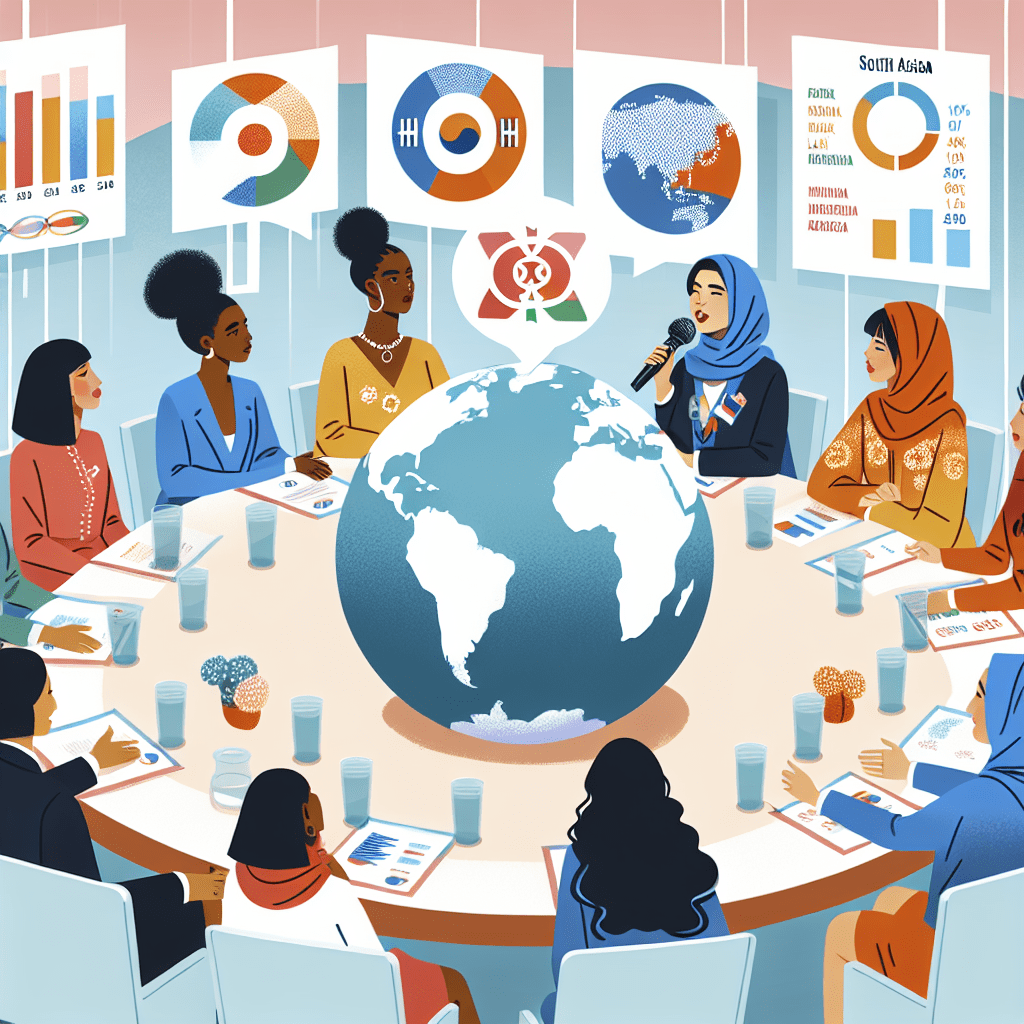
One of the most significant factors is financial strain. Raising children is expensive, and South Korea’s high cost of living doesn’t help. Housing, education, healthcare—all these costs add up, making prospective parents hesitant. Moreover, many women face career hurdles in a society with deep-rooted gender roles. Balancing career ambitions with motherhood is daunting, especially if societal support and workplace policies are lacking.
Imagine feeling forced to choose between career growth and starting a family. Quite a tough decision, right? Women’s participation in the workforce is crucial for a country’s economic prosperity, yet many workplaces in South Korea still lack maternity policies that support working mothers.
**The Cultural Influence**
Aside from economic challenges, there’s the cultural aspect. Traditional expectations still weigh heavily on women in South Korea. The expectation to excel in maintaining a household while thriving in their careers puts immense pressure on women. This dual burden can lead to a conscious decision to delay or entirely forgo having children.
Family dynamics and the role of women within them are slowly changing, but cultural evolution takes time. Until more equitable responsibilities in parenting and housekeeping can be truly achieved, the reluctance to bear children may persist.
**Potential Solutions and Hope for Change**
So, what’s the solution? For starters, a shift in workplace culture is essential. More comprehensive parental leave policies and flexible working conditions can make a considerable difference. Employers who champion such policies not only benefit their staff but also gain access to a broader talent pool—and that’s a win-win situation.
Government policies also play a crucial role. Incentives for families, affordable childcare, and initiatives that promote a healthy work-life balance could encourage more women to consider having children. Raising public awareness about shared parenting responsibilities can further support cultural change.
As societies, we must recognize that children’s well-being and women’s empowerment are not mutually exclusive. By fostering an environment where women can thrive both in the workplace and at home, we create a future that benefits everyone.
In conclusion, South Korea’s low birth rate among women is a multifaceted issue rooted in economic, cultural, and societal factors. Addressing these can help create an environment where women feel more supported in their choices to bring new life into the world. It’s a challenging task, but one that holds the promise of a brighter, more balanced future.
Thank you for reading! Feel free to share your thoughts in the comments below. How do you think societies can better support women in making these significant life choices?
 Trend Engine: AI-Powered News & Trends