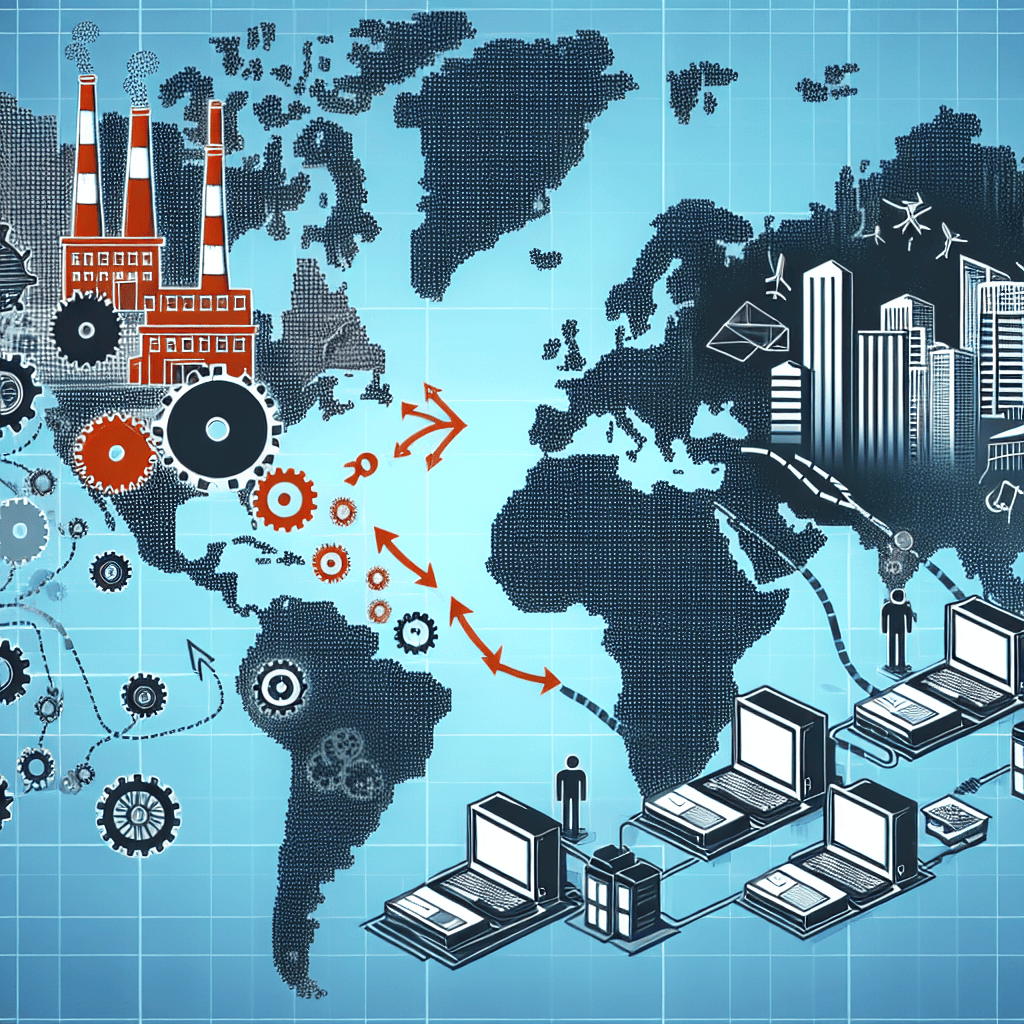
1. **Cost Efficiency**: Initially, offshoring was a cost-cutting measure. But rising labor costs in countries like China and India, alongside the hidden expenses of managing overseas operations, are eroding these benefits.
2. **Technological Advancements**: Automation and advanced manufacturing technologies are making it more feasible to produce goods in the U.S. without significantly increasing costs.
3. **Supply Chain Resilience**: Companies have learned the hard way about the vulnerabilities of long supply chains. The COVID-19 pandemic exposed how global events could severely disrupt production. Localizing supply chains can mitigate these risks.
4. **Quality and Innovation**: With production closer to home, companies can better control quality and innovate more rapidly, keeping up with the fast-paced market demands.
5. **Political Climate**: Policies and economic incentives favoring domestic production have gained traction. Initiatives to bring jobs back to America are supported not only by promises from political figures but also through measurable actions.
**The Impact on U.S. Workers**
For American workers, this could mean more job opportunities and a revitalization of industries that had once been declining. Positions in manufacturing, technology, and infrastructure maintenance will be more readily available, potentially reducing unemployment rates and bringing economic growth to more areas across the nation.
However, it’s not an overnight process. The transition requires planning, investment, and addressing challenges such as skill gaps in the workforce. Companies need workers trained in current technologies and manufacturing processes, which might necessitate collaborations with educational institutions and government bodies to prepare a new generation of skilled labor.
**Conclusion:**
While the declaration that the days of outsourcing are over might be bold, the underlying shifts suggest a trend that is gaining momentum. The potential benefits of bringing manufacturing back to the U.S. are significant, offering a promising future for the American economy and workforce. As more companies catch on to this trend, we could witness a profound transformation in how and where America produces its goods. The road ahead has its challenges, but the possibilities it brings are just as substantial. Let’s keep an eye on how this unfolds in the coming years.
 Trend Engine: AI-Powered News & Trends