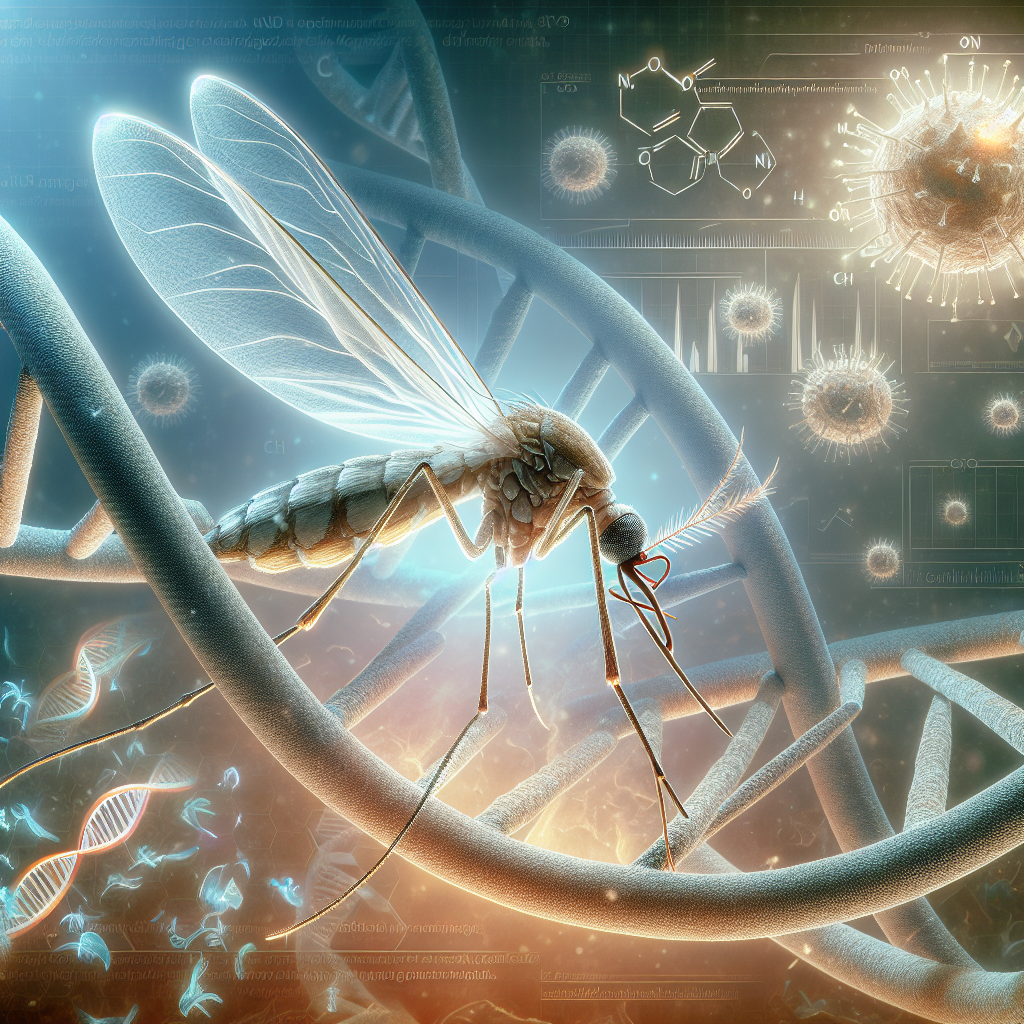
In a groundbreaking experiment, scientists managed to alter just one amino acid in the mosquito genome. Why is this significant? Well, mosquitoes are the primary vectors for malaria transmission. This tiny genetic tweak prevents the malaria parasite from surviving within the mosquito. Therefore, when mosquitoes bite humans, they cannot pass on the malaria parasite.
### Why This Matters
In regions where malaria is rampant, this solution could change lives. Unlike traditional methods such as nets, insecticides, and anti-malarial drugs — which have their own drawbacks — this genetic approach aims directly at the disease’s life cycle. By blocking the transmission at a genetic level, the spread of malaria could potentially be halted altogether.
### Addressing Potential Concerns
As with any genetic modification, there are ethical and ecological concerns. Critics worry about the long-term effects on ecosystems and the unforeseen consequences of altering a species’ DNA. However, researchers are adamant about conducting thorough impact assessments and ensuring ethical guidelines are met.
### The Road Ahead
This CRISPR breakthrough is a promising step forward in the fight against malaria. While it will still require rigorous testing and international cooperation, the potential benefits are immense. Imagine a world where millions of lives are saved each year — that’s the promise of this research.
In summary, this single amino acid change in mosquito genetics could be a game-changer for global health. Through careful application and continued research, CRISPR technology might just lead us to a malaria-free world. Stay tuned, because this is a space that promises to make tomorrow brighter for many.
 Trend Engine: AI-Powered News & Trends