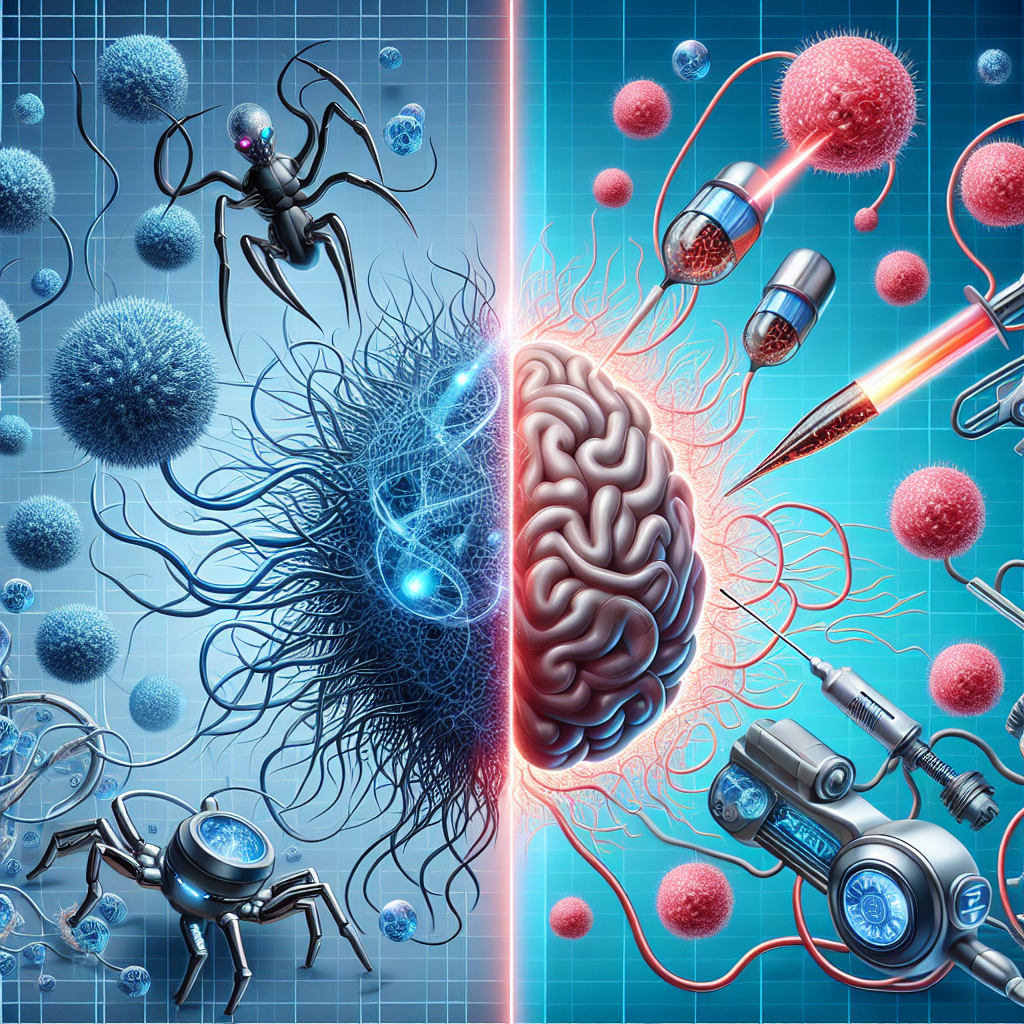
The very word “cancer” usually brings dread, but sometimes, within its complexity, arises interesting avenues for healing. One such avenue is its nerve-invading mechanism. Cancer cells have this rather unsettling ability to mimic the nervous system’s processes, such as neurotrophic signaling and synaptic mimicry, allowing them to infiltrate nerves stealthily. You might wonder, how could this possibly be beneficial?
#### Turning the Tables on an Adversary
The idea isn’t to use cancer cells themselves—please, no heartpalpitations there! Instead, it’s about understanding and replicating their behaviors in a controlled and synthetic manner. If scientists can emulate these processes safely, without any hostile takeover, it might lead to breakthroughs in neural regeneration. Imagine treatments that can non-invasively repair and reconnect our nervous systems—not just for those with Locked-In Syndrome but for anyone suffering from neural trauma.
#### What Could This Mean for Treatment?
Imagine a future where brain-computer interfaces (BCIs) or brain-machine repair systems take a leap forward because of insights garnered from cancer’s invasive tactics. Conditions previously thought irreversible might become manageable, and individuals who felt trapped in their bodies could one day express themselves more freely. This isn’t science fiction—it’s a future worth hoping for.
#### Calling All Minds and Innovators
As exciting as these prospects are, it’s clear that we’re only at the beginning of understanding these complex interactions. Feedback, collaboration, and innovation are critical. By blending medical research with creative application, there’s a world of potential waiting to be tapped.
### Joining Forces for a Better Tomorrow
While these ideas are speculative, they invite a new way of thinking about medicine—using your adversary’s strength against it. For those who’ve felt silenced or immobilized by their conditions, such explorations hold immense promise. The journey there will take time, rigorous research, and expansive imagination, but it offers a beacon of hope for many.
Understanding the complexities of our own biology is like exploring a vast and mysterious ocean. Sometimes, to find the treasures we seek, we have to dive deep into places we would never have expected. When it comes to the wonders of the human body, perhaps it’s in the most unexpected places that the most promising solutions lie.

